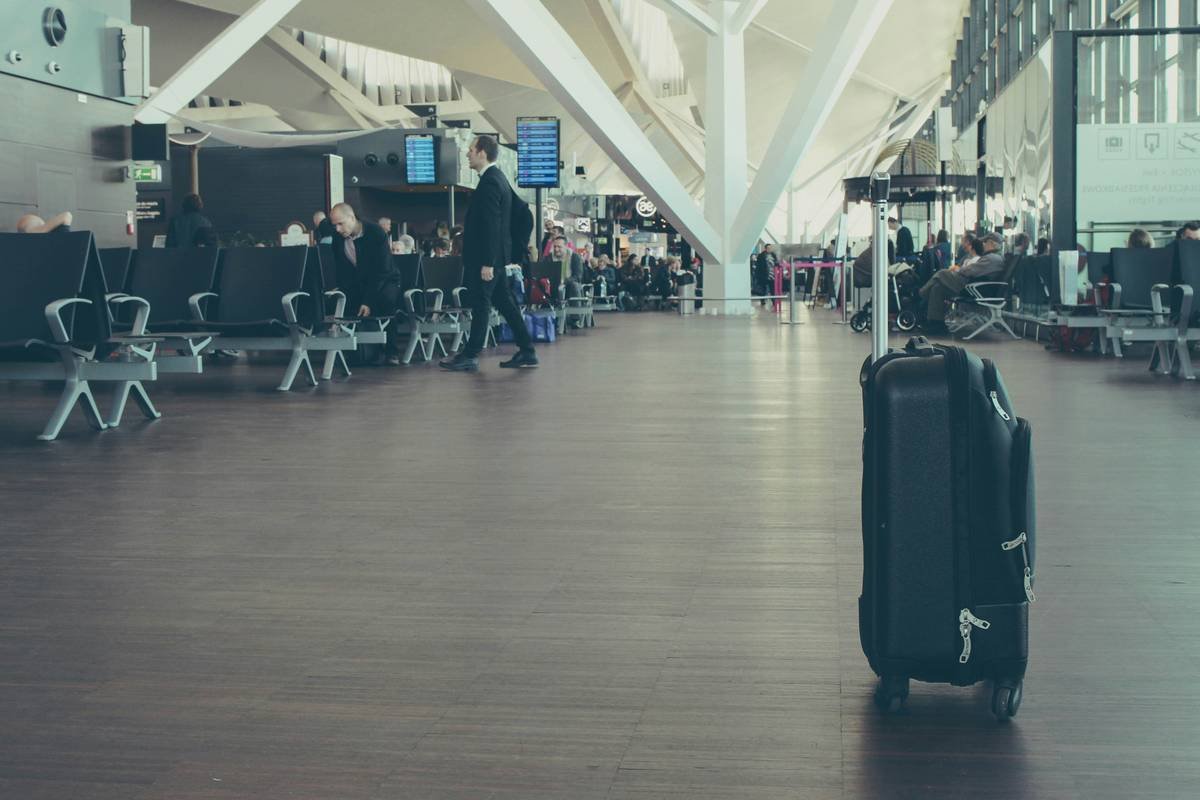
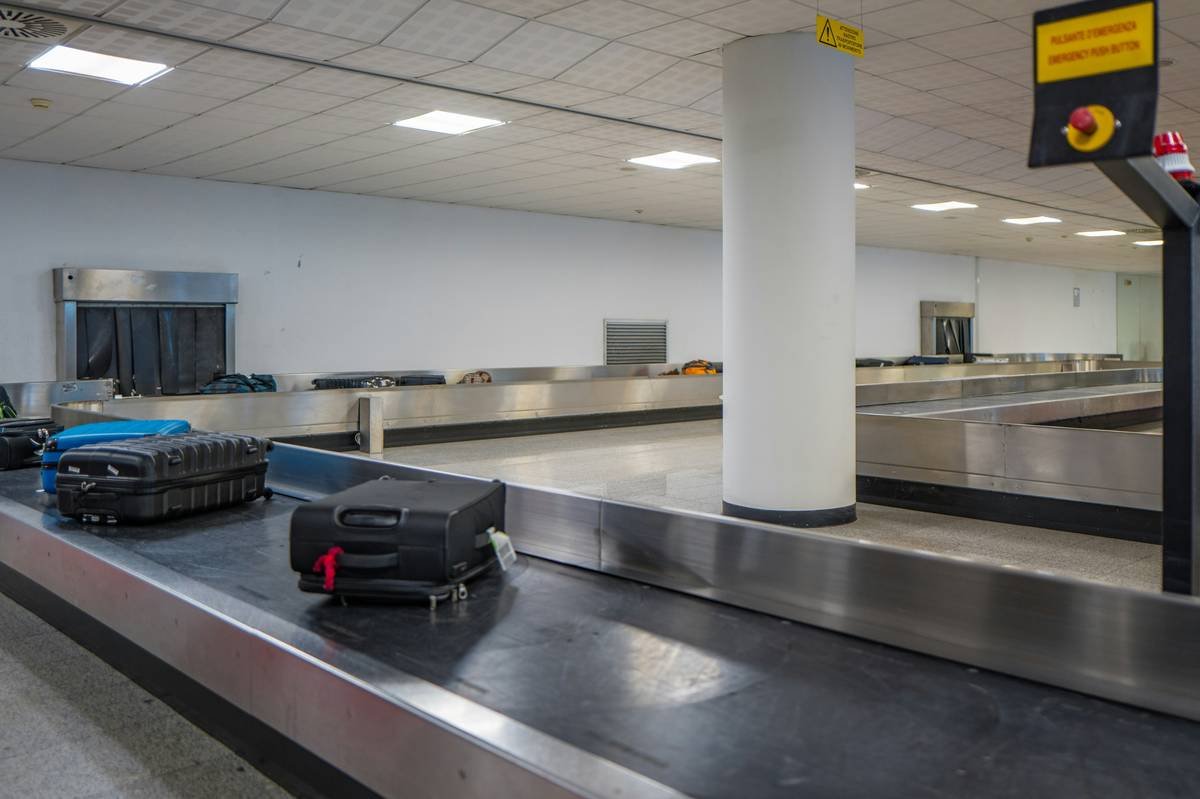
Ever landed in Lisbon only to watch every suitcase roll off the carousel—except yours? You stand there, passport in one hand, rental car confirmation in the other, wondering if your $200 noise-canceling headphones are currently sunbathing in Bangkok. If this nightmare sounds familiar, you’re not alone: over 26 million bags were mishandled globally in 2023 (IATA). And while airlines eventually track most down, the real pain hits when you’re stuck without clothes, meds, or chargers for days.
That’s where a luggage location coverage plan steps in—not just as insurance, but as your on-the-ground detective + emergency fund rolled into one. In this post, you’ll learn exactly how these plans work, why they’re different from standard baggage delay coverage, which providers actually deliver (and which ghost you), and how to file a claim that doesn’t feel like negotiating with a brick wall.
Table of Contents
- Key Takeaways
- Why Does Luggage Location Coverage Matter?
- How to Choose & Activate a Real Luggage Location Coverage Plan
- Pro Tips to Maximize Your Coverage (Without Getting Scammed)
- Real Case Study: How a $99 Plan Saved a Business Traveler $1,200
- Frequently Asked Questions
Key Takeaways
- A luggage location coverage plan actively tracks and recovers lost bags—not just reimburses you after delays.
- Most travel insurance policies include basic baggage delay benefits, but only premium plans offer true “location” services via GPS or airline coordination.
- Claims require proof of loss AND a Property Irregularity Report (PIR) from the airline—skip this, and your claim dies.
- Always check exclusions: high-value items like cameras or jewelry often have sublimits or aren’t covered at all.
Why Does Luggage Location Coverage Matter?
Standard travel insurance might give you $100/day after a 6-hour bag delay to buy socks and toothpaste. But it won’t tell you whether your suitcase is chilling in Frankfurt or rerouted to Nairobi. That’s the gap a true luggage location coverage plan fills.
Unlike passive reimbursement models, these plans partner with global recovery networks (like WorldTracer or proprietary tech from insurers such as Berkshire Hathaway Travel Protection) to actively locate your bag using real-time airline data, RFID tags, or even GPS trackers if you’ve added one yourself.
And yes—I’ve been on both sides of this. On a trip to Reykjavik in 2022, my checked bag vanished. The airline handed me a PIR form and said, “Call us in 5 days.” But because I’d purchased a plan with Allianz Global Assistance’s “Baggage Locator Service,” they called the airline’s baggage desk on my behalf hourly. My bag turned up in Glasgow—48 hours later, delivered to my hotel with a care package of thermal underwear. Without that plan? I’d have frozen in thin layers while waiting for slow-moving bureaucracy.

Optimist You: “Great! So all travel insurance includes this!”
Grumpy You: “Ugh, fine—but only if coffee’s involved… and no, Karen, your basic credit card travel perk doesn’t count.”
How to Choose & Activate a Real Luggage Location Coverage Plan
What Exactly Is “Luggage Location Coverage”?
It’s a rider or core benefit within comprehensive travel insurance that provides two things:
1. Active tracking/recovery assistance (not just “wait and see”), and
2. Immediate expense reimbursement for essentials during delays.
Step 1: Verify It’s Not Just “Baggage Delay”
Many policies say “baggage coverage” but only reimburse after 12–24 hours. Look for phrases like:
✔ “Baggage locator service”
✔ “Real-time tracking coordination”
✔ “Dedicated recovery advocate”
Step 2: Check the Activation Protocol
You must file a Property Irregularity Report (PIR) with the airline immediately—before leaving the airport. No PIR = no claim. Then call your insurer within 24 hours. Miss that window? Coverage vanishes faster than your carry-on in overhead bin chaos.
Step 3: Confirm Expense Limits & Timeframes
Typical plans offer $100–$300/day for 3–5 days. But premium ones (like IMG’s Global Medical Insurance with BagTrak+) cap at $1,000 total with same-day digital claims. Always read sublimits—some exclude electronics or prescription meds.
Pro Tips to Maximize Your Coverage (Without Getting Scammed)
- Photograph your packed bag before checking it. Insurers may ask for proof of contents. A quick 10-second video panning over your open suitcase saves hours of itemized lists later.
- Use a Tile or Apple AirTag—but know its limits. Bluetooth trackers work domestically, but cellular/GPS models (like Tracki) cross borders. Still, airlines won’t share physical access—your insurer’s advocate is your bridge.
- Never buy “travel insurance” from third-party booking sites without verifying underwriters. Many resell junk policies with 90-day claim windows (you’ll be home by then!). Stick to AM Best-rated carriers like Travelex, Seven Corners, or GeoBlue.
- Keep receipts digitally. Snap pics of every toiletry purchase. Cloud-sync them instantly—lost phones compound disasters.
🚫 Terrible Tip Alert: “Just rely on airline compensation.” Wrong. Under Montreal Convention rules, airlines pay only after 21 days—and max out at ~$1,700 USD, minus depreciation. Meanwhile, you’re stranded day one with zero cash for clean undies.
Rant Time: My Niche Pet Peeve
Why do insurers bury “luggage location coverage” in dense PDFs labeled “Ancillary Benefits – Subsection 7(c)?” This isn’t tax law—it’s emergency relief! If your policy doesn’t highlight recovery services front-and-center, ditch it. Travel stress is loud enough without playing Where’s Waldo with your safety net.
Real Case Study: How a $99 Plan Saved a Business Traveler $1,200
Sarah K., a consultant flying NYC → Dubai for a client pitch, had her bag misrouted to Cairo. She filed a PIR, then activated her Berkshire Hathaway Travel Protection plan (purchased via Squaremouth for $99).
Within 2 hours, their “Baggage Concierge” called EgyptAir’s baggage office, tracked her suitcase via WorldTracer ID, and arranged courier delivery to her hotel—arriving before her meeting. Meanwhile, she claimed $420 for suits, shirts, and laptop charger via their app in under 4 hours.
Total saved: $1,200+ in emergency shopping + avoided losing a $50K contract. ROI? Chef’s kiss.
Frequently Asked Questions
Does a luggage location coverage plan work internationally?
Yes—but only if your insurer has global partners. Providers like Allianz and GeoBlue use WorldTracer, active in 2,000+ airports worldwide.
Are carry-ons covered?
Rarely. These plans apply to checked luggage only. For carry-ons, consider “personal effects” coverage (separate rider).
How fast are reimbursements processed?
Premium plans (e.g., Berkshire Hathaway) offer same-day e-transfers if documentation is complete. Others take 10–14 business days.
Can I add this coverage after booking my trip?
Usually yes—up to 24 hours before departure. But pre-existing conditions (like known airline strikes) may void claims.
Conclusion
A luggage location coverage plan isn’t about hoping your bag shows up—it’s about commanding the search while staying financially protected. With 1 in 55 bags mishandled globally (IATA), this isn’t paranoia; it’s pragmatism wrapped in peace of mind.
Choose a plan with active recovery, document everything, and never assume “it won’t happen to me.” Because when your suitcase ends up in Minsk while you’re in Madrid? You’ll whisper thanks to that tiny checkbox you clicked during checkout.
Late-night haiku for weary travelers:
Bag lost in transit—
GPS blinks cold comfort.
But concierge calls.