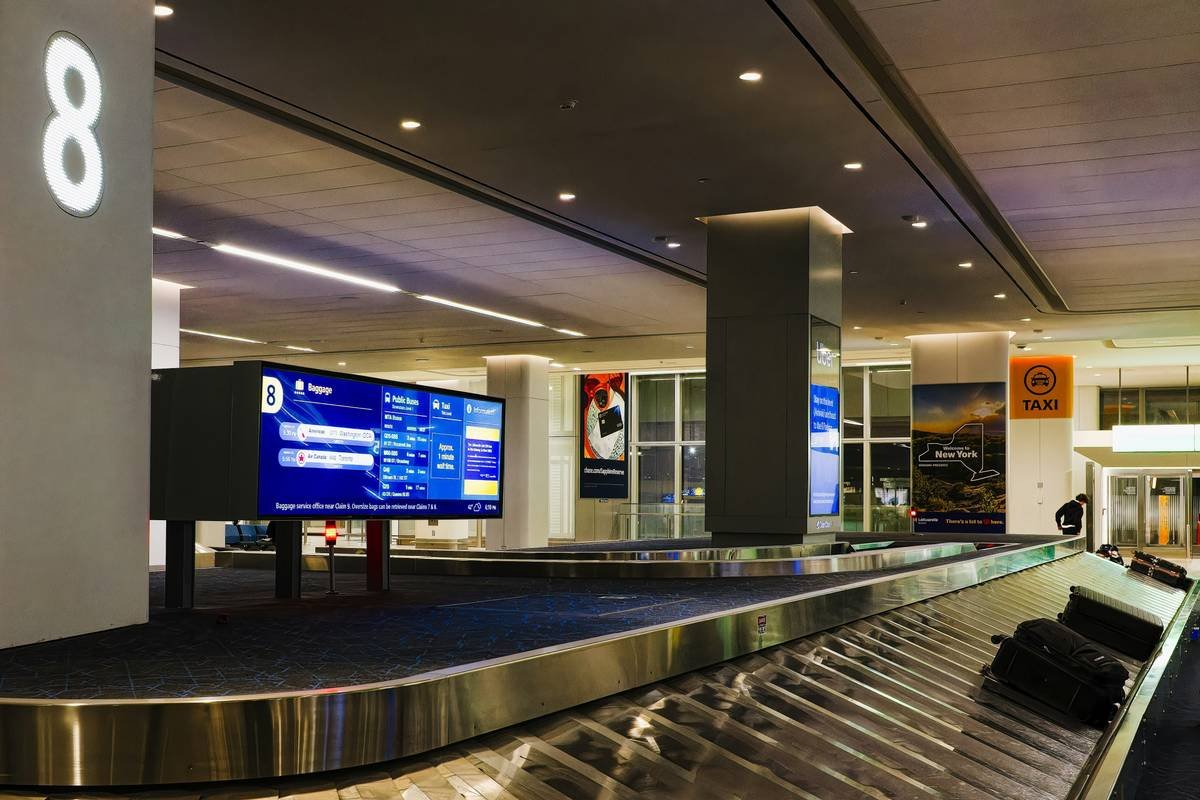
Ever landed in Lisbon, ready to snap sunset pics at Miradouro da Senhora do Monte—only to find your suitcase chilling somewhere over Reykjavik? Yeah. You’re not alone. In 2023 alone, airlines mishandled over 2.6 million bags globally (IATA data), and “delayed” accounted for nearly 85% of those cases. Yet most travelers still wing it with crossed fingers instead of a real delayed luggage tracking plan.
If you’ve ever wandered airport corridors whispering sweet nothings to baggage claim carousels or Googled “how long until I can buy socks?” at 2 a.m., this post is your survival kit. We’ll break down exactly what a delayed luggage tracking plan is, how top-tier travel insurance makes it actionable, and why generic coverage won’t cut it. You’ll also get:
- A step-by-step guide to activating your claim FAST
- Real examples of travelers who turned chaos into cash
- The one “terrible tip” that could void your coverage
Table of Contents
- Why Delayed Luggage Sucks (Beyond the Obvious)
- How to Activate Your Delayed Luggage Tracking Plan Like a Pro
- 5 Best Practices Most Travelers Ignore (Until It’s Too Late)
- Real Cases: When $200 in Toiletries Saved a Honeymoon
- FAQs About Delayed Luggage Tracking Plans
Key Takeaways
- A delayed luggage tracking plan isn’t just insurance—it’s a reimbursement roadmap for essentials when bags go AWOL.
- Most policies kick in after 4–12 hours of delay; check your provider’s exact window.
- You MUST file a Property Irregularity Report (PIR) with the airline BEFORE filing an insurance claim.
- Keep every receipt—even that €3 pack of toothpaste in Frankfurt counts.
- Not all travel insurance includes baggage delay; always verify sub-limits and exclusions.
Why Delayed Luggage Sucks (Beyond the Obvious)
Let’s be real: losing your bag isn’t just inconvenient—it’s destabilizing. No meds? No business attire for your pitch meeting? No backup charger while you’re stranded in rural Japan? That’s not “oops,” that’s crisis mode. And here’s the kicker: airlines reimburse only up to $1,780 per passenger for domestic U.S. flights (DOT rules)—but that cap applies to lost luggage, not delayed. For delays, they often offer zilch unless you escalate hard.
That’s where a robust delayed luggage tracking plan embedded in your travel insurance becomes your secret weapon. Unlike airline compensation (which moves slower than dial-up internet), quality travel insurance providers like World Nomads, Allianz, or Berkshire Hathaway offer same-day reimbursement for emergency essentials—provided you follow protocol.
Confessional fail: On a trip to Patagonia, I assumed my premium credit card’s “travel protection” covered baggage delay. Nope. Fine print excluded adventure destinations. I ended up buying $180 worth of thermal layers in El Calafate—with zero hope of recoupment. Lesson burned into my frontal lobe: always read the sub-sub-clauses.
How to Activate Your Delayed Luggage Tracking Plan Like a Pro
What steps should I take IMMEDIATELY after my bag doesn’t show?
Optimist You: “Stay calm! Follow these four steps.”
Grumpy You: “Ugh, fine—but only if there’s espresso nearby.”
- File a Property Irregularity Report (PIR) at the airport. Do NOT leave without this yellow slip stamped by the airline’s baggage desk. It’s your golden ticket—no PIR, no insurance claim. (Yes, even if the agent says “it’ll arrive tomorrow.” Get. The. Slip.)
- Check your policy’s waiting period. Most require 4–12 hours of delay before coverage kicks in. Allianz? 12 hours. World Nomads? 6. Read yours.
- Buy ONLY essentials—and keep every receipt. Think: underwear, toothbrush, prescription meds, basic clothing. Not “oh look, cute leather boots!” (More on that below in the rant section.)
- Submit your claim within 20–90 days. Don’t procrastinate! Include your PIR, boarding pass, receipts, and policy number. Many insurers now accept uploads via app—snap, send, done.
5 Best Practices Most Travelers Ignore (Until It’s Too Late)
How can I maximize reimbursement without triggering a claim denial?
- Pack a “delay survival kit” in your carry-on. Include meds, spare glasses, phone charger, and 1–2 changes of clothes. Reduces panic-buying (and overspending).
- Know your coverage limit. Typical plans offer $100–$500 for baggage delay. Don’t drop $600 on gear expecting full payback.
- Photograph everything. Snap your empty suitcase space, your boarding pass, and purchased items beside their receipts. Visual proof = faster approval.
- Avoid luxury purchases. Insurers flag high-end buys as “non-essential.” Stick to practical, mid-range items.
- Use the airline’s tracking tool FIRST. Apps like Air Canada’s or Lufthansa’s Baggage Tracker often update in real time—helps estimate delay length before spending.
⚠️ Terrible Tip Alert ⚠️
“Just tell them you lost your bag—it pays more!” NO. Fraudulent claims destroy trust, void future coverage, and may even trigger legal action. Be honest. Delays are common; lying isn’t worth it.
Real Cases: When $200 in Toiletries Saved a Honeymoon
Can a delayed luggage tracking plan really save a trip?
Absolutely. Take Sarah and Marco, honeymooning in Santorini. Their checked bags—packed with wedding outfits, cameras, and prescriptions—landed in Athens due to a missed connection. With their insurer’s 6-hour delay clause active, they filed a PIR, bought beachwear and meds locally, and submitted receipts that evening. Reimbursement hit their account in 48 hours.
Another win: tech consultant Lena, stranded in Singapore after a layover snafu. Her policy covered $300 for delay expenses. She bought a SIM card, work essentials, and sleep aids—filed via the insurer’s mobile app—and got approved same-day. “Felt like having a backstage pass,” she told me.
Contrast that with Mark, who skipped insurance “to save $30.” His 36-hour delay cost him $400 in emergency buys—and zero recourse. Ouch.
FAQs About Delayed Luggage Tracking Plans
Does credit card travel insurance include baggage delay coverage?
Sometimes—but often with low limits ($100–$300) and strict eligibility (e.g., full fare paid with that card). Always verify. Amex Platinum offers $500; Chase Sapphire Reserve caps at $100/day for 5 days.
How long does reimbursement usually take?
With digital claims: 3–10 business days. Paper forms? Up to 6 weeks. Go digital.
Are electronics covered under baggage delay?
Rarely. Most policies exclude high-value items like laptops or cameras under “delay” clauses—they fall under “lost luggage” only. Buy essentials, not gadgets.
What if my bag arrives after I’ve already bought stuff?
Still submit your claim! As long as the purchase happened during the qualifying delay window (e.g., after 6 hours), you’re covered—even if the bag shows up later.
Conclusion
A delayed luggage tracking plan isn’t about paranoia—it’s about peace of mind wrapped in actionable strategy. From filing that PIR slip to snapping receipts like paparazzi, every step shields you from financial whiplash. Remember: airlines move slowly; good travel insurance moves fast. And in the chaotic ballet of modern air travel, speed equals sanity.
So next time you check a bag, don’t just cross your fingers. Cross-check your policy. Because nothing ruins a fjord hike faster than realizing you packed your waterproofs… in the missing suitcase.
Like a Nokia 3310, your travel plan should be indestructible—even when your luggage isn’t.
Wheels spin,
Suitcase lost in transit—
Insurance saves brunch.