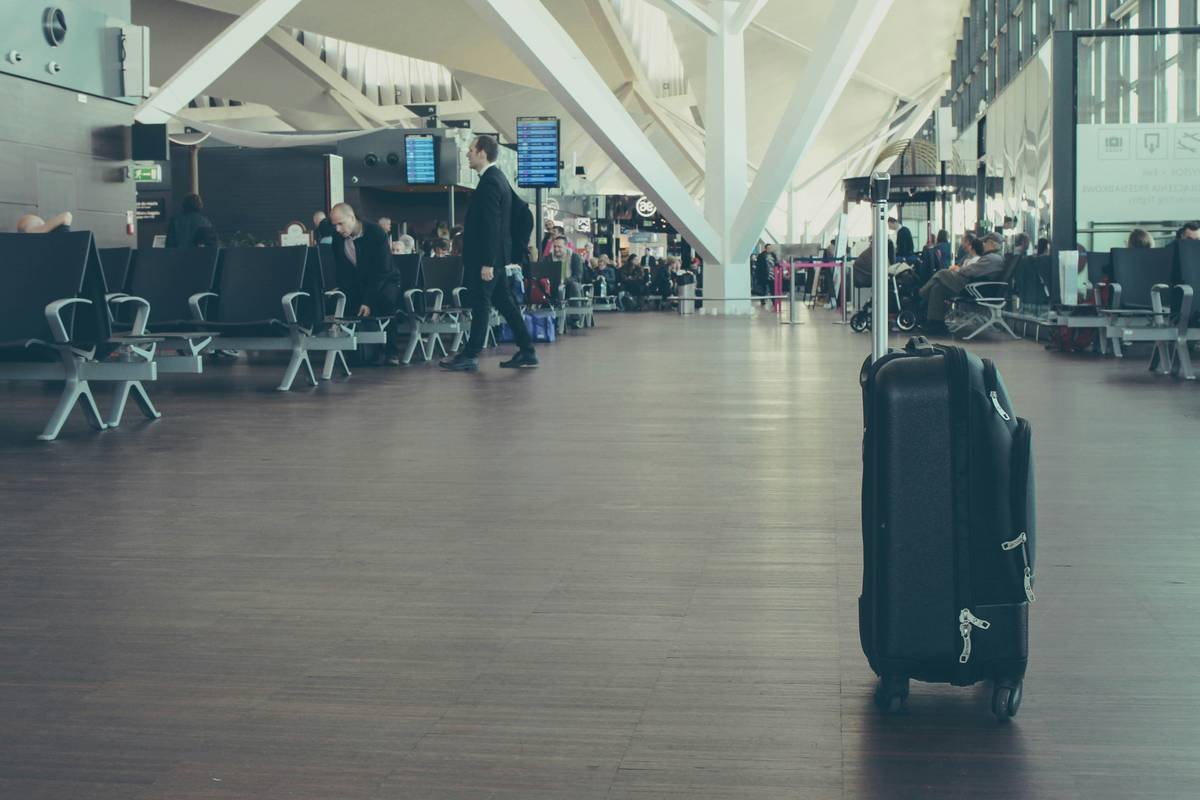
Ever landed in Lisbon only to find your suitcase still circling JFK like it’s avoiding rent? You’re not alone. According to the U.S. Department of Transportation, airlines mishandled over 2.7 million bags in 2023 alone. That’s 5.8 bags per 1,000 passengers—up from 4.9 in 2022.
If you’ve ever scrambled for toothpaste at a 2 a.m. pharmacy while wearing yesterday’s sweat-stained shirt (we see you), this post is your lifeline. We’ll break down exactly what baggage delay refund plan coverage is, how it actually works in the real world, and—most importantly—how to actually get paid when your bag ghosted you mid-itinerary.
You’ll learn:
- Why standard travel insurance often leaves you high and dry on delayed luggage
- The exact triggers that activate your baggage delay refund plan coverage
- How to file a claim without losing your mind (or your receipts)
- Real stories—from Bali to Berlin—where this coverage saved trips (and sanity)
Table of Contents
- Key Takeaways
- What Happens When Your Bag Doesn’t Make It?
- How to Activate & Claim Your Baggage Delay Refund Plan Coverage
- Pro Tips to Maximize Your Payout (Without Looking Like a Scammer)
- Real Travelers, Real Reimbursements: Case Studies
- FAQs About Baggage Delay Refund Plan Coverage
Key Takeaways
- Baggage delay refund plan coverage typically kicks in after a 6–12 hour delay—not immediately.
- Most policies reimburse $100–$500/day for essentials like toiletries, clothing, and medication.
- Airlines are required by international treaty (Montreal Convention) to cover up to ~$1,700—but only if the bag is lost, not merely delayed.
- You must keep itemized receipts; no receipt = no reimbursement.
- Not all “travel insurance” includes robust baggage delay benefits—always check sub-limits.
What Happens When Your Bag Doesn’t Make It?
Let’s be real: losing your carry-on to overhead bin wars is annoying. But waiting 12 hours at Heathrow with nothing but a phone charger and a half-eaten granola bar? That’s trauma with frequent flyer miles.
Here’s where baggage delay refund plan coverage steps in. Unlike basic airline liability—which only covers permanent loss under the Montreal Convention—this insurance reimburses you for **temporary inconvenience**. Think: emergency undies, prescription meds, baby formula, even a toothbrush.
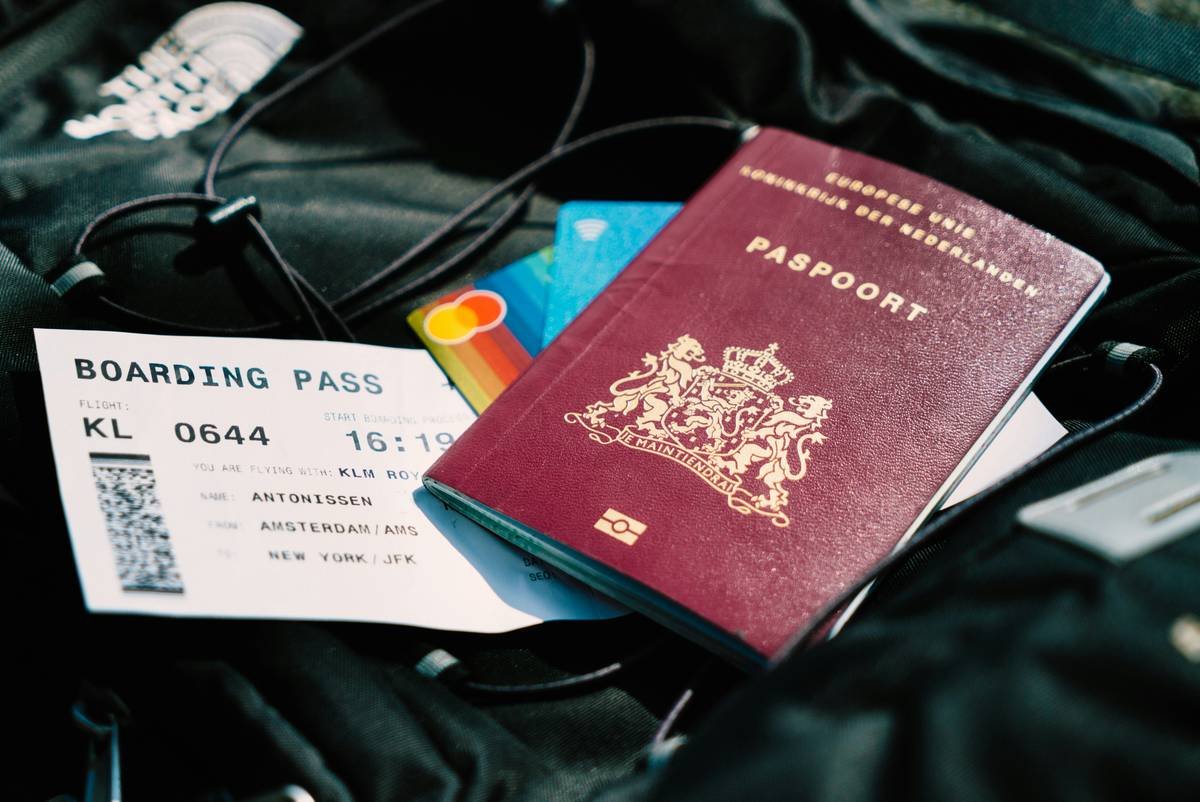
I learned this the hard way during a 2022 trip to Kyoto. My checked bag—packed with winter layers—was rerouted to Seoul. The airline shrugged. My travel insurance? Covered “trip delay,” but excluded “baggage-related expenses.” Cue me shivering in a $60 Uniqlo puffer while drafting passive-aggressive emails in a konbini.
Moral? Not all travel insurance is created equal. And baggage delay refund plan coverage is a niche but critical layer most travelers overlook—until they’re buying deodorant with airplane Wi-Fi.
Optimist You:
“Just pack light! Everything fits in a backpack!”
Grumpy You:
“Says the person who’s never needed daily allergy meds, size-13 shoes, or a CPAP machine. Sit down.”
How to Activate & Claim Your Baggage Delay Refund Plan Coverage
Step 1: Confirm Your Policy Actually Includes It
Open your policy document (yes, the whole PDF). Search for “baggage delay,” “delayed baggage,” or “luggage delay reimbursement.” Look for:
- Trigger window: Usually 6, 8, or 12 hours after landing.
- Daily limit: Often $100–$250/day for 3–5 days.
- Total sub-limit: E.g., “Up to $500 total for baggage delay.”
Pro tip: Policies from Allianz, World Nomads, and Berkshire Hathaway tend to offer strong baggage delay terms—especially on their premium tiers.
Step 2: Get an Official Baggage Delay Report
Before you leave the airport, visit the airline’s baggage service desk. Demand a Property Irregularity Report (PIR). This 10-digit reference number is your golden ticket. No PIR = no claim. Period.
Step 3: Spend Wisely & Keep Every Receipt
Buy only essentials: underwear, socks, toiletries, medications, baby supplies. Avoid splurging on “I deserve this” leather jackets. Insurers will reject non-essential purchases.
Step 4: File Within the Deadline
Most policies require claims within 20–90 days. Submit via the insurer’s portal with:
- Your PIR number
- Boarding passes
- Itemized receipts (PDFs or photos)
- Proof of payment (credit card statement)
Expect 10–14 business days for processing—if you included everything.
Pro Tips to Maximize Your Payout (Without Looking Like a Scammer)
- Know your policy’s “per day” vs. “total” cap. Some plans pay $200/day up to $600 total—so don’t blow $300 on Day 1 expecting full reimbursement.
- Use a credit card with built-in travel insurance. Cards like Chase Sapphire Reserve include secondary baggage delay coverage—stackable with your main policy.
- Snap receipts immediately. Airport lighting makes everything look like a blurry coupon. Use apps like Expensify or even Notes.
- Don’t wait for “lost” status. Baggage delay coverage activates *before* the bag is declared lost (usually after 5–7 days).
- Travel with a spare set in your carry-on. Even a ziplock of meds and clean socks reduces panic buys.
Terrible Tip You Should Ignore:
“Buy expensive items to ‘max out’ your coverage.” Nope. Insurers audit for reasonableness. That $200 silk blouse? Denied. Two $10 T-shirts? Approved.
Rant Section:
Why do airlines treat delayed baggage like a minor hiccup? You’re stranded without insulin or your child’s formula—and they offer a $10 voucher for airport sushi. Meanwhile, your insurer demands five forms just to reimburse toothpaste. The system is broken, and baggage delay refund plan coverage is the duct tape holding it together.
Real Travelers, Real Reimbursements: Case Studies
Case 1: Sarah K., Family Trip to Costa Rica (2023)
Her kids’ suitcases were delayed 14 hours in San José. She spent $187 on swim diapers, rash guards, and reef-safe sunscreen. Filed claim with her Allianz policy (trigger: 12 hours; limit: $250/day). Reimbursed in 11 days. “Paid for half our zip-lining tour,” she said.
Case 2: Marcus T., Business Traveler in Frankfurt (2024)
His suit and presentation materials were stuck in Chicago. Bought dress shirt, tie, and shoes ($210). Submitted PIR + receipts to his employer’s corporate travel plan. Got full payout in 8 days—plus a $50 “inconvenience bonus” from Lufthansa.
These aren’t flukes. They’re proof that baggage delay refund plan coverage works—if you know how to use it.
FAQs About Baggage Delay Refund Plan Coverage
Does baggage delay coverage apply if I miss my connection due to a delay?
Only if your *baggage* is delayed—not just your flight. If your bag makes it but you don’t, that’s “trip delay” coverage (different section of your policy).
Can I claim if I booked flights with points/miles?
Yes—as long as you have a valid travel insurance policy. Award tickets don’t void coverage.
What if my bag arrives 5 hours late? Do I get anything?
Unlikely. Most policies require 6–12 hours. Check your specific trigger window.
Are prescription medications covered?
Yes—even internationally. Keep pharmacy receipts and doctor notes if possible.
Do I need to declare high-value items beforehand?
For delay claims: no. But for *lost* baggage claims over $1,000, yes. Keep that distinction clear.
Conclusion
Baggage delay refund plan coverage isn’t glamorous—but it’s the unsung hero of stress-free travel. It won’t stop your suitcase from taking a detour to Reykjavik, but it will ensure you’re not scrubbing socks in a hotel sink or rationing one diaper for 24 hours.
Remember: read your policy, get that PIR, spend smart, and keep every receipt. Because the difference between a minor hiccup and a full-blown travel meltdown often comes down to $200 worth of emergency basics—and the right coverage to back it up.
Now go forth. Pack light(ish). And sleep easy knowing your backup plan has a backup plan.
Like a Tamagotchi, your travel insurance needs daily attention—or it dies quietly in your backpack.