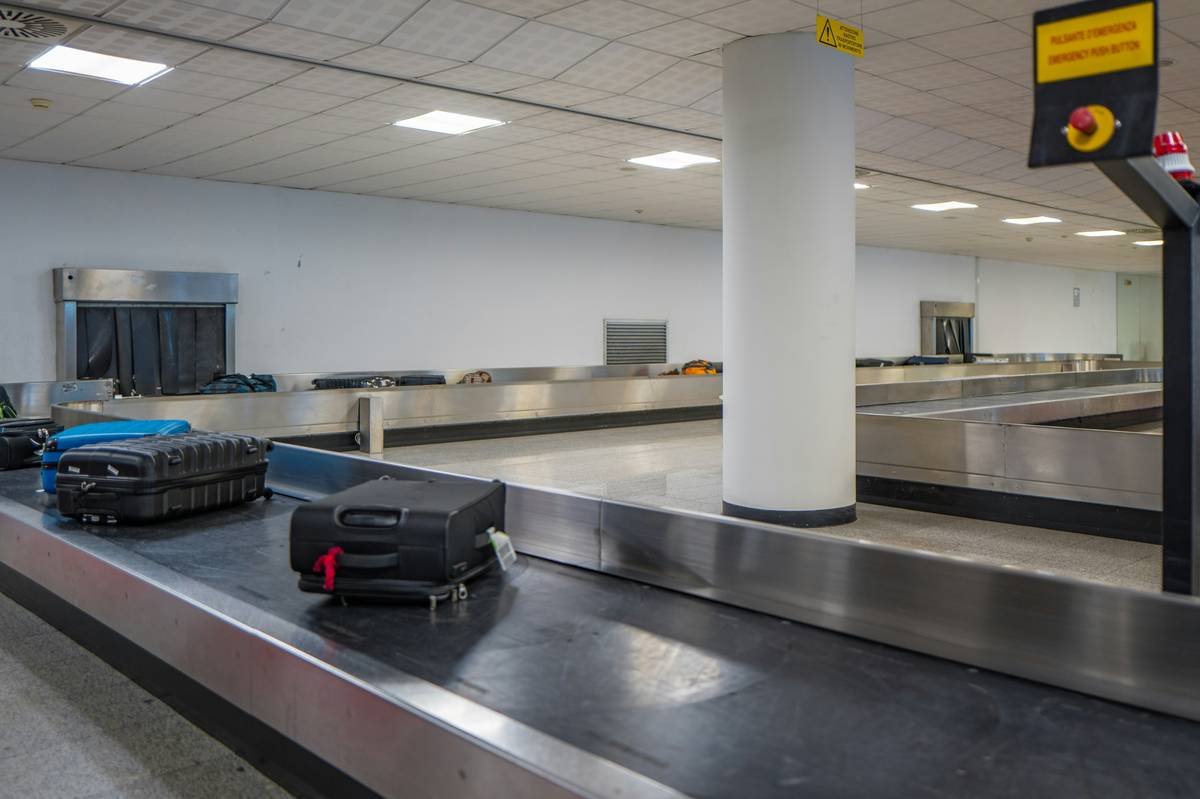
Ever stood at an airport carousel for 45 minutes, watching strangers haul away matching black suitcases—while yours evaporates into the void? You’re not alone. According to SITA’s 2023 Baggage IT Insights Report, over 25 million bags go missing globally every year. And while “lost” often means “delayed,” that delay can strangle your vacation budget before you even check into your hotel.
If you’ve ever bought travel insurance but skipped the fine print on baggage benefits—congrats, you’ve left money (and sanity) on the table. This post dives deep into luggage recovery benefit coverage: what it is, how it actually works, which plans give you real value, and how to claim it without losing your mind in a foreign country with only the clothes on your back.
You’ll learn:
- Why “baggage delay” and “lost luggage” aren’t the same—and why insurers care deeply
- How much reimbursement you can realistically expect (spoiler: it’s not unlimited)
- Step-by-step claiming tactics that work—even when airline reps shrug
- Real examples of travelers who turned a nightmare into a win
Table of Contents
- Key Takeaways
- The Hidden Crisis of Delayed Luggage (And Why Most Travelers Aren’t Protected)
- How to Use Luggage Recovery Benefit Coverage Like a Pro
- 5 Best Practices That Actually Get Your Claim Approved
- Real Stories: When Luggage Recovery Coverage Saved the Day
- FAQs About Luggage Recovery Benefit Coverage
Key Takeaways
- Luggage recovery benefit coverage reimburses you for essential purchases during baggage delays—usually after a 6–12 hour waiting period.
- Most policies cap payouts between $100–$500 per person; premium plans may offer up to $1,000.
- You MUST file a Property Irregularity Report (PIR) with the airline within 24 hours—it’s non-negotiable.
- Keep every receipt. No receipt = no reimbursement, no matter how “obvious” the purchase.
- Credit card travel insurance often includes this benefit—but only if you booked flights with that card.
The Hidden Crisis of Delayed Luggage (And Why Most Travelers Aren’t Protected)
You land in Lisbon. Your suitcase doesn’t. The airline says, “It’ll be here tomorrow.” Great. But you’ve got a wedding tonight—and all your dress shoes, toiletries, and one good shirt are orbiting Heathrow.
This isn’t just inconvenient. It’s expensive. A 2022 U.S. Travel Insurance Association (USTIA) survey found that 68% of travelers had to buy essentials during a baggage delay, spending an average of $175 out of pocket. Yet only 31% knew their travel insurance covered those costs.
Here’s the kicker: most people think “lost luggage insurance” means full replacement value. But standard travel insurance rarely covers total loss—that’s usually handled by airlines under the Montreal Convention (max ~$1,700). What travel policies do cover is **delay-related emergency expenses**: toothbrushes, underwear, medication, maybe a change of clothes. And that’s where “luggage recovery benefit coverage” lives.
Optimist You: “My bag will show up!”
Grumpy You: “Sure—and pigs will fly over JFK Terminal 4.”
How to Use Luggage Recovery Benefit Coverage Like a Pro
Do I even have luggage recovery benefit coverage?
Check your policy’s “Baggage Delay” or “Emergency Essentials” section. Key terms to look for:
- “Reimbursement for necessary personal items”
- “Triggered after X hours of delay” (typically 6–12 hours)
- “Per person limit” or “family maximum”
Credit card users: Chase Sapphire Preferred, Amex Platinum, and Capital One Venture cards include this—but only if you paid for flights with that card.
Step 1: File a PIR—Immediately
Before you leave the airport, get a Property Irregularity Report (PIR) from the airline’s baggage desk. Note the reference number. Without this, your insurer will reject your claim. Period.
Step 2: Wait Out the Waiting Period
If your policy requires a 12-hour delay, don’t rush to buy $300 of gear at hour 2. Track your bag via the airline app. Only start purchasing essentials once the clock ticks past the threshold.
Step 3: Buy Smart, Not Everything
Insurers define “essential” narrowly: hygiene items, basic clothing, prescription meds. Don’t buy designer jeans or a new camera—they’ll deny it.
Step 4: Save Every Single Receipt
Yes, even the €2.30 toothpaste. Digital receipts are fine, but print or screenshot them. One client lost $210 because she used Apple Pay and couldn’t retrieve itemized receipts.
Step 5: Submit Within 30 Days
Most insurers require claims within 20–90 days. Submit early. Include: PIR copy, boarding pass, receipts, and a brief incident summary.
5 Best Practices That Actually Get Your Claim Approved
- Know your policy’s definition of “delay.” Some start the clock at landing; others at baggage claim closure.
- Separate receipts by person. If traveling with family, keep adult and child purchases distinct—per-person limits apply.
- Avoid luxury or duplicate items. Buying two pairs of socks? Fine. Two $150 sneakers? Denied.
- Use local stores—not airport shops. Insurers scrutinize inflated airport prices. Buy at a pharmacy or supermarket instead.
- Call your insurer BEFORE major purchases. Some let you pre-approve high-cost items like medical supplies.
Terrible Tip Disclaimer: “Just tell them you lost everything—you’ll get more money.” Nope. Fraudulent claims void coverage and can trigger legal action. Don’t do it.
Real Stories: When Luggage Recovery Coverage Saved the Day
Case Study 1: The Lisbon Wedding Rescue
Maria landed in Portugal for her sister’s wedding. Bag delayed 18 hours. Policy: World Nomads Standard ($250 baggage delay limit). She bought a dress ($85), shoes ($45), toiletries ($22), and pain relievers for jet lag ($8). Submitted PIR + receipts within 48 hours. Reimbursed $160 in 11 days.
Case Study 2: Ski Trip Meltdown (Avoided)
Dan’s ski gear went MIA in Denver en route to Aspen. His Allianz plan included $500 for “sports equipment delay.” He rented boots, jacket, and goggles—kept under limit. Submitted claim with rental agreements. Full payout in 9 days.
Rant Section: Why do airline staff act like they’ve never heard of a PIR? I once waited 50 minutes while three employees argued about which form to use. Bring printed PIR templates from your airline’s website—just in case.
FAQs About Luggage Recovery Benefit Coverage
Does luggage recovery benefit coverage include lost baggage?
No. “Recovery” refers to expenses incurred during a delay. Lost or permanently missing bags fall under separate “lost luggage” coverage (often administered by airlines).
How long does a delay need to be before coverage kicks in?
Typically 6–12 hours. Check your policy—some premium plans trigger at 4 hours.
Can I claim if my bag arrives damaged but not delayed?
No. Damage claims go through the airline, not travel insurance (unless you have specific “baggage damage” coverage).
Are electronics covered?
Rarely. Insurers exclude laptops, phones, and cameras unless explicitly listed as “essential” (e.g., medical devices).
What if my flight was canceled and I never departed?
Baggage delay coverage only applies if your bag was checked and failed to arrive at your destination. Cancelled flights before check-in usually don’t qualify.
Conclusion
Luggage recovery benefit coverage isn’t a magic fix—but it’s a financial safety net most travelers ignore until it’s too late. With over 68,000 bags mishandled daily worldwide, hoping for the best is a losing strategy. Know your policy, document everything, and treat that PIR like your passport: non-negotiable.
Next time your suitcase takes an unscheduled vacation, you won’t just survive—you’ll recover, reimbursed, and ready for that sunset dinner.
Like a 2000s flip phone: tiny, reliable, and always there when you really need it.