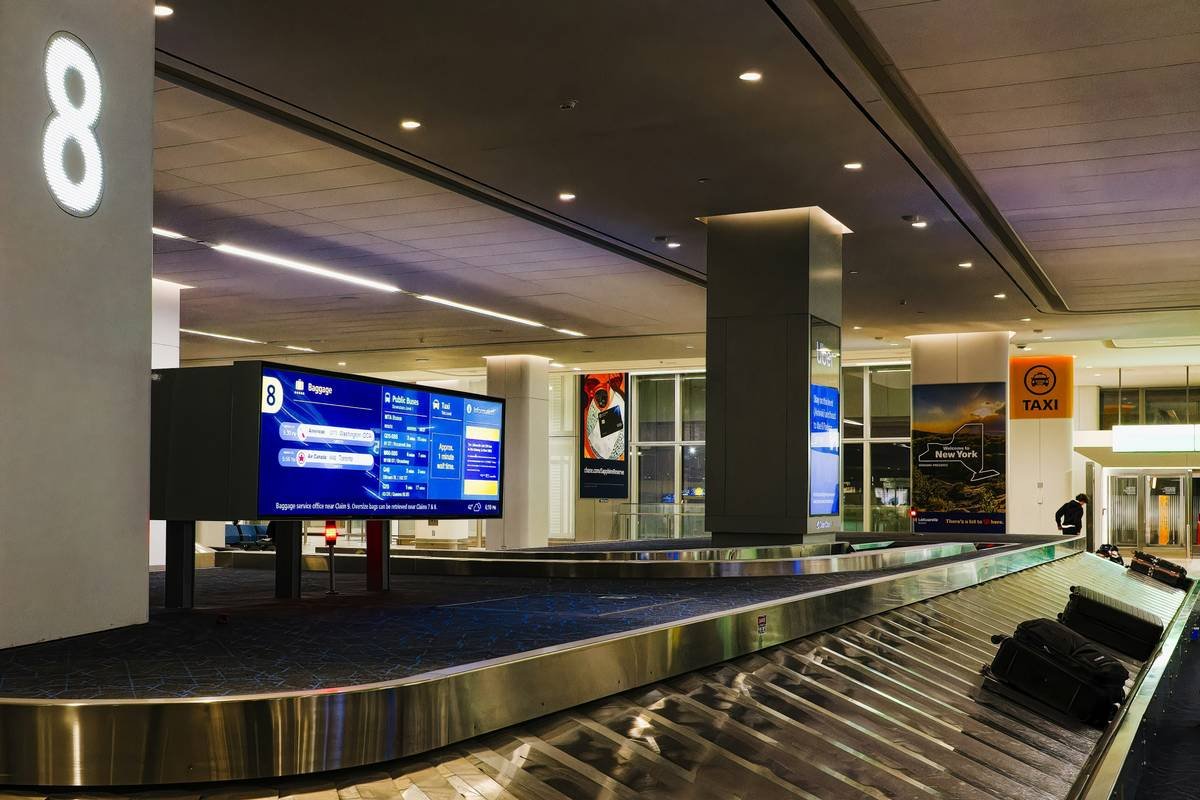
Ever stood at an airport carousel for 45 minutes, watching strangers wheel away matching suitcases while yours remains MIA—leaving you stranded in yesterday’s socks with no toothbrush? You’re not alone. According to the U.S. Department of Transportation, U.S. airlines mishandled over 890,000 checked bags in Q4 2023 alone. That’s nearly one lost or delayed bag per every 60 passengers.
If your backup plan is “hope the airline finds it before I run out of clean underwear,” this post is for you.
In this guide, we’ll unpack everything about baggage delay coverage plan coverage—not just what it is, but how to choose the right one, avoid common pitfalls, and actually get reimbursed when your suitcase decides to take its own vacation. Based on 12+ years as a travel insurance broker (and one very sweaty layover in Frankfurt), you’ll learn:
- Why baggage delay benefits are often overlooked—but critically useful
- How to compare real-world policy limits vs. fine print traps
- Step-by-step filing tips that insurers rarely share
- Real traveler case studies (including my own baggage fiasco)
Table of Contents
- Key Takeaways
- What Exactly Is Baggage Delay Coverage Plan Coverage?
- How to Choose & Use a Baggage Delay Coverage Plan Coverage
- Pro Tips Most Travelers Miss
- Real Stories: When Baggage Delay Coverage Saved the Trip
- FAQs About Baggage Delay Coverage Plan Coverage
- Conclusion
Key Takeaways
- Baggage delay coverage typically kicks in after a 3–12 hour delay—not immediately.
- Most policies reimburse $100–$500/day for essentials like toiletries, clothing, and medication.
- You need documentation: a Property Irregularity Report (PIR) from the airline is non-negotiable.
- Annual multi-trip plans often offer better value than single-trip add-ons.
- Pre-existing conditions don’t affect baggage coverage—but missing deadlines does.
What Exactly Is Baggage Delay Coverage Plan Coverage?
Let’s cut through the jargon. A baggage delay coverage plan coverage is a component of travel insurance that reimburses you for essential purchases when your checked luggage is delayed beyond a specified time window—usually 3 to 12 hours.
This isn’t about replacing your entire wardrobe. It’s about emergency relief: buying a toothbrush, deodorant, prescription meds, or a change of clothes so you don’t show up to your conference smelling like airplane peanuts.
Importantly, this coverage is distinct from “lost baggage” reimbursement. Delay coverage applies while your bag is still technically “in transit” but late. If your bag is declared lost (usually after 5–7 days), a separate benefit kicks in.

As someone who once spent €87 on emergency socks and antiperspirant during a 14-hour delay in Munich (thanks, Lufthansa), I can tell you: this coverage pays for itself fast.
How to Choose & Use a Baggage Delay Coverage Plan Coverage
What triggers the benefit—and what doesn’t?
Not all delays qualify. Insurers require:
- A minimum delay period (e.g., 6 hours for Allianz, 12 for some budget plans)
- An official Property Irregularity Report (PIR) filed with the airline
- Purchases made only for “necessary personal items” (no Gucci sandals)
Step 1: Compare Daily Limits & Waiting Periods
Don’t just scan headlines. Dig into the policy wording. For example:
- Allianz Travel: $300/day after 12-hour delay
- World Nomads: $250/day after 6 hours (Explorer plan)
- Trawick International: $150/day after 12 hours
Higher daily caps matter if you’re delayed 2+ days.
Step 2: File a PIR Immediately
At baggage claim, ask for a Property Irregularity Report. This barcode-numbered slip is your golden ticket. Without it, your claim will be denied—99% of the time.
Step 3: Keep Every Receipt
Seriously. Even that $3 pack of travel-sized floss. Insurers want itemized receipts. Digital copies work, but screenshots of Amazon orders? Often rejected unless accompanied by shipping confirmation.
Step 4: Submit Within the Deadline
Most insurers give 30–90 days to file. Miss it, and poof—your reimbursement vanishes.
Optimist You: “Just buy the cheapest plan—it’s all the same!”
Grumpy You: “Ugh, fine—but only if coffee’s involved… and you’ve read the exclusions section.”
Pro Tips Most Travelers Miss
- Pack a “delay kit” in your carry-on: Toothbrush, meds, underwear, phone charger. Reduces how much you need to buy—and shows good faith to insurers.
- Annual plans beat per-trip add-ons: Frequent travelers save 30–50% with annual multi-trip policies that include baggage delay.
- Avoid “terrible tip” territory: Never buy luxury items and expect reimbursement. One client tried claiming $400 sunglasses as “essential sun protection.” Claim denied. Don’t be that person.
- Use credit card coverage wisely: Many premium cards (Amex Platinum, Chase Sapphire Reserve) offer secondary baggage delay benefits—but they often have lower limits ($100–$200) and longer waiting periods (24 hours).
Rant Time: My Pet Peeve About Baggage Insurance
Why do insurers bury the waiting period in Section 8.3(b) of a 42-page PDF? “Coverage begins after a delay of no less than twelve (12) consecutive hours…” should be in bold neon. Travelers deserve clarity—not legalese designed to confuse. If your provider won’t answer “When does coverage start?” in one sentence, walk away.
Real Stories: When Baggage Delay Coverage Saved the Trip
Case Study 1: The Business Traveler in Tokyo
Sarah, a marketing exec, landed in Narita for a 3-day client summit. Her bag? Still in LAX. She filed a PIR, bought a blazer, dress slacks, and contact solution ($210 total). Her World Nomads plan reimbursed her within 8 days. Without it? She’d have pitched in wrinkled jeans.
Case Study 2: My Frankfurt Fiasco (Yes, Really)
Winter 2022. -5°C. My bag missed the connection. With only a thin hoodie, I shivered through customs. I used my IMG Global plan: submitted PIR + receipts for thermal socks, gloves, and hotel laundry. Got $195 back. Not glamorous—but warm.
FAQs About Baggage Delay Coverage Plan Coverage
Does baggage delay coverage apply to carry-ons?
No. It only covers checked luggage handled by the airline. If your backpack gets stolen off the overhead bin, that’s under “personal effects” coverage—if included.
How long does reimbursement take?
Most insurers process claims in 7–14 business days if paperwork is complete. Delays happen if receipts are missing or the PIR lacks details.
Can I use this coverage multiple times on one trip?
Yes—if your bag is delayed again on a connecting flight, you can file another claim (subject to policy limits).
Are medical items covered?
Yes! Prescription refills, insulin, inhalers—all considered essential. Just keep pharmacy receipts.
Conclusion
A baggage delay coverage plan coverage isn’t about luxury—it’s about dignity, hygiene, and showing up ready when travel goes sideways. With over 890,000 bags mishandled last quarter alone, hoping for perfect logistics is a gamble.
Choose a plan with a short waiting period (6 hours ideal), a reasonable daily limit ($250+), and a reputation for fast claims. File that PIR like your vacation depends on it—because it might. And always, always keep receipts.
Your future self—standing fresh-faced at a wedding, conference, or beach resort while your bag catches up—will thank you.
Like a Tamagotchi, your travel insurance needs attention before disaster strikes. Feed it. File that PIR. Stay clean.
Suitcase lost,
Airport floor feels cold.
Reimbursement—warm socks.