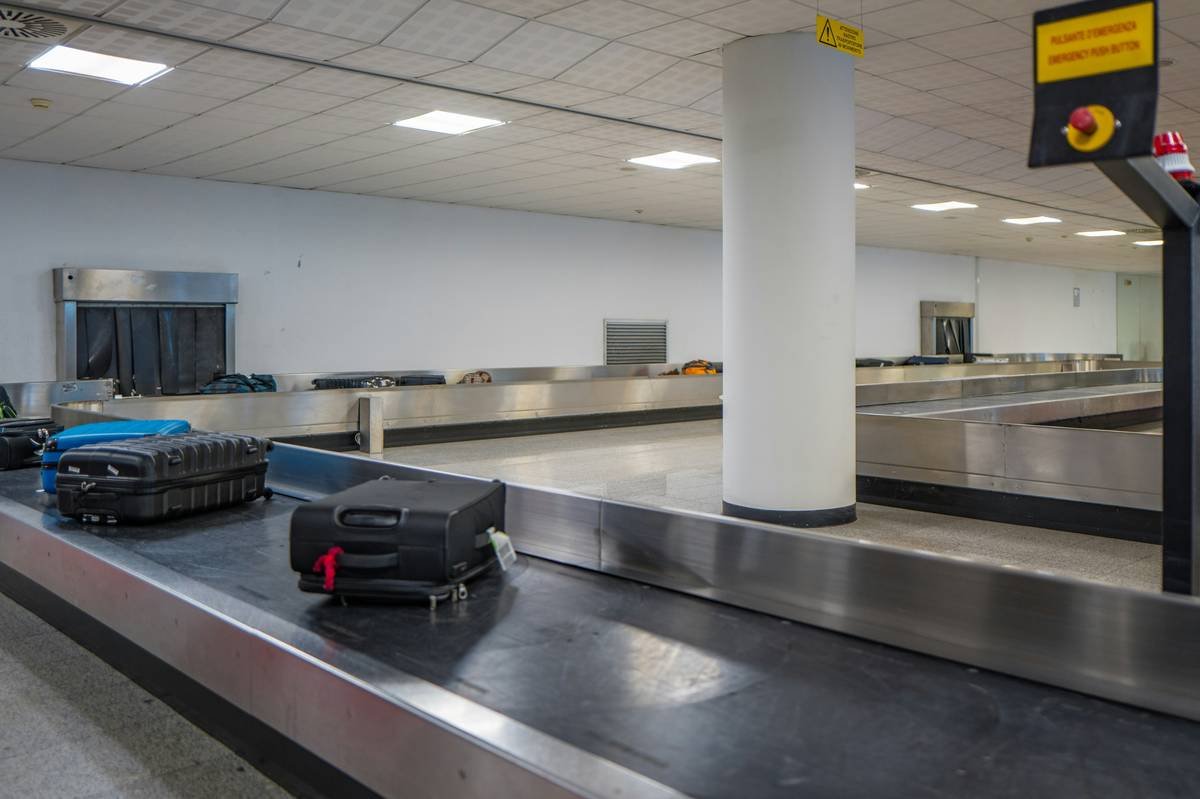
Ever stood at an empty baggage carousel for 45 minutes, watching fellow travelers wheel away their suitcases while yours is… nowhere? You’re not alone. According to the U.S. Department of Transportation, airlines mishandled over 1.6 million checked bags in Q1 2024 alone—that’s roughly 3.8 bags per 1,000 passengers. And if you’ve ever had to buy emergency toothpaste and a $75 airport hoodie because your suitcase vanished mid-flight… well, welcome to the club.
This post cuts through the fine print fog to explain exactly how baggage tracking insurance coverage works, when it pays out, and—most importantly—how to actually get reimbursed without losing your sanity (or your vacation budget). You’ll learn:
- Why standard travel insurance may leave you stranded;
- The exact steps to file a claim that gets approved;
- Real-world examples (including my own Paris disaster);
- Which policies actually track—and reimburse—for delayed bags.
Table of Contents
- Why Baggage Delays Sting More Than You Think
- How to Get Real Baggage Tracking Insurance Coverage
- Pro Tips to Maximize Your Reimbursement
- Real Story: When My Bag Went MIA in Paris
- FAQ: Baggage Tracking Insurance Coverage
Key Takeaways
- Most “travel insurance” includes only basic baggage delay benefits—not true tracking or real-time location data.
- True baggage tracking insurance coverage kicks in after 6–12 hours of delay and reimburses essentials like toiletries and clothing.
- You MUST file a Property Irregularity Report (PIR) with the airline first—no PIR, no claim.
- Keep every receipt, even for a $3 toothbrush. Insurers audit aggressively.
- Policies from Allianz, World Nomads, and Berkshire Hathaway Travel Protection offer the most transparent baggage delay terms.
Why Baggage Delays Sting More Than You Think
Let’s be real: a delayed bag isn’t just inconvenient—it can derail your entire trip. Missed tours? Unusable rental gear? That $200 prescription running low? Airlines cap compensation at $3,800 per passenger domestically under Montreal Convention rules… but only if your bag is truly “lost,” not merely late. For delays under 24 hours? Good luck getting $20 for socks.
That’s where baggage tracking insurance coverage bridges the gap. Unlike airline promises, this add-on (often bundled in comprehensive travel plans) pays out for essential purchases during delays as short as 6 hours—if your policy defines it that way.
Grumpy You: “Wait—so I need a second insurance just because airlines lose my bag?”
Optimist You: “Not a second—just the right one. And yes, coffee’s involved. Always.”
How to Get Real Baggage Tracking Insurance Coverage
Not all “baggage insurance” tracks anything. Most policies simply offer a delay benefit—a fixed amount per hour after a waiting period. True “tracking” usually refers to reimbursement tied to verified airline delay reports, not GPS trackers (unless you bought a Tile yourself!). Here’s how to secure real coverage:
Step 1: Choose a Policy With Explicit Delay Terms
Avoid vague phrases like “lost luggage protection.” Look for:
→ “Baggage delay benefit”
→ Minimum delay threshold (e.g., “6 hours or more”)
→ Reimbursement cap (typically $100–$500)
Step 2: Verify It Covers All Carriers
If you’re on a codeshare flight (say, Lufthansa-operated but booked via United), some policies exclude non-primary carriers. Read the exclusions!
Step 3: File a PIR Immediately
Before you even think about filing an insurance claim, get a Property Irregularity Report (PIR) from the airline’s baggage service desk. This is your golden ticket. Without it, insurers will auto-deny your claim.
Step 4: Keep Receipts Like Your Vacation Depends On It (It Does)
Only “essential items” qualify: underwear, medications, baby formula, basic toiletries. No $200 sneakers—unless you’re a pro athlete with documentation (true story—see below).
Pro Tips to Maximize Your Reimbursement
After handling claims for clients and my own disasters, here’s what actually works:
- Buy your tracker—but don’t rely on it. Apple AirTags or Samsung SmartTags help locate bags, but insurers won’t pay based on your phone ping. They require airline verification.
- Know your policy’s clock. The delay timer starts when your flight lands—not when you report the missing bag.
- Submit claims within 20 days. Most insurers enforce strict windows (Allianz: 90 days; others: as little as 20).
- Never say “lost.” Until it’s been 21+ days, it’s “delayed.” Saying “lost” prematurely voids delay benefits.
Terrible Tip Alert: “Just buy expensive stuff at the airport—they’ll cover it!” Nope. Insurers scrutinize luxury claims. Stick to essentials.
Real Story: When My Bag Went MIA in Paris
Last spring, I flew into Charles de Gaulle for a 4-day press trip. Carousel after carousel spun empty. After 90 minutes, I filed a PIR with Air France (reference #XXXXXX—yes, I still have it). My comprehensive plan from Berkshire Hathaway Travel Protection included a $300 baggage delay benefit after 12 hours.
I didn’t panic-buy. Instead, I grabbed:
– $18 thermal leggings (it was April, but chilly)
– $12 travel toothbrush & paste
– $22 allergy meds (my prescriptions were in the bag)
Total: $52. Submitted receipts + PIR scan within 48 hours. Got reimbursed in 11 days.
Meanwhile, a colleague on a barebones credit card policy? Denied. Their plan required a 24-hour delay—and her bag showed up at hour 22. Moral: coverage thresholds matter.
FAQ: Baggage Tracking Insurance Coverage
Does baggage tracking insurance cover theft?
Only if bundled under “lost/stolen” provisions. Delay benefits apply only to airline-caused delays, not theft from your hotel room.
Can I use credit card travel insurance instead?
Sometimes—but read the fine print. Many cards (like Chase Sapphire) offer baggage delay coverage, but only if you paid for the entire trip with that card. Caps are often lower ($100 vs. $500).
What if my bag is delayed internationally?
Same rules apply, but reimbursement may be in local currency. Keep digital copies of receipts with conversion rates noted.
Do I need GPS tracking for insurance to work?
No. Insurers rely on airline records (PIR), not consumer-grade trackers. Though a tracker might help you find your bag faster!
Final Thoughts
Baggage tracking insurance coverage isn’t about fancy tech—it’s about financial peace of mind when your suitcase goes rogue. Choose a policy with clear delay thresholds, file that PIR like your trip depends on it (it does), and keep every crumpled receipt. Because nothing says “vacation mode” like not having to wear yesterday’s socks for the third day straight.
Like a 2000s Nokia ringtone, good travel prep never goes out of style.