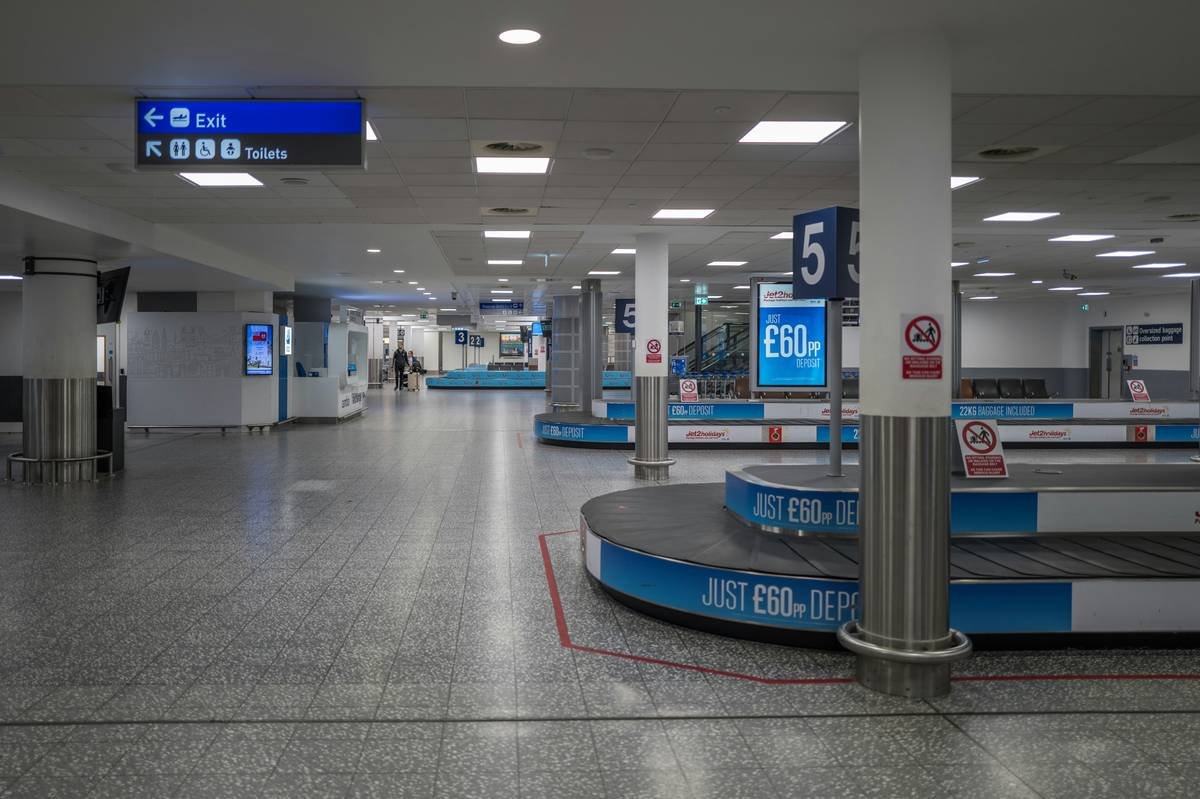
Ever landed in Bali—sun high, vibes immaculate—only to watch every suitcase roll out… except yours? You’re stranded with nothing but the shirt on your back and a gnawing dread that your toothbrush is currently vacationing in Frankfurt. If this sounds familiar, you’ve just danced with one of travel’s most infuriating plot twists: baggage delay.
Here’s the thing: most travelers assume travel insurance “covers lost bags.” But that’s like assuming your Uber driver knows the way without GPS. Baggage delay tracking coverage—a hyper-specific, often overlooked add-on—is your real lifeline. In this post, you’ll learn:
- Why standard policies leave gaping holes when your bag vanishes
- Exactly how baggage delay tracking coverage works (and when it pays out)
- How to file a claim like a pro—with zero runarounds
- Real mistakes I made (so you don’t have to)
Table of Contents
- Why Baggage Delays Are a Bigger Deal Than You Think
- How Baggage Delay Tracking Coverage Actually Works
- 5 Pro Tips to Maximize Your Coverage
- Real-World Case Study: When Tracking Coverage Saved My Trip
- FAQ: Baggage Delay Tracking Coverage
Key Takeaways
- Baggage delay ≠ lost luggage: delays trigger coverage after 3–12 hours, depending on your policy.
- “Tracking” means your insurer uses airline data to auto-confirm delays—no manual proof needed.
- You must file an airline Property Irregularity Report (PIR) within 24 hours for claims to be valid.
- Most policies reimburse $100–$500/day for essentials like toiletries, meds, and clothes.
- Always check if your credit card offers secondary baggage delay coverage before buying extra insurance.
Why Baggage Delays Are a Bigger Deal Than You Think
Let’s cut through the noise: airlines lose or delay over 2 million bags monthly globally (SITA Baggage IT Insights 2023). And “delayed” doesn’t mean “gone forever”—it usually means stranded somewhere between JFK and your resort for 6, 12, even 48+ hours.
I learned this the hard way during a work trip to Lisbon. My bag—packed with prescription meds, presentation slides (yes, printed), and my only pair of dress shoes—missed its connection. The airline shrugged: “Maybe tomorrow?” Meanwhile, I had a keynote at 9 a.m. No backup plan. No coverage. Just me in wrinkled jeans Googling “pharmacies open at midnight near Alfama.”
That’s the brutal reality: without baggage delay tracking coverage, you’re on your own for emergency purchases, missed events, or medical needs. Standard trip interruption won’t cover a $40 tube of eczema cream you desperately need because your skincare is circling O’Hare.
How Baggage Delay Tracking Coverage Actually Works
Okay, let’s demystify this beast. “Baggage delay tracking coverage” isn’t magic—it’s smart insurance design that syncs with airline systems to auto-verify delays. Here’s the breakdown:
Step 1: Confirm Your Policy Includes It
Many basic travel insurance plans only cover “lost” luggage (after 24–48 hours). Look for explicit wording like “baggage delay,” “delayed baggage assistance,” or “essentials reimbursement.” Providers like Allianz, Travel Guard, and World Nomads offer it as standard; others require an upgrade.
Step 2: Understand the Trigger Threshold
Coverage kicks in after a set delay window—usually 3 to 12 hours. For example:
- Allianz: 12 hours
- IMG Global: 6 hours
- Some premium credit cards (Amex Platinum): 6+ hours
Step 3: File a PIR—Immediately
The second you realize your bag didn’t arrive, head to the airline’s baggage service desk and file a Property Irregularity Report (PIR). Get the reference number. Without it, your claim dies. Period. (Yes, even with “tracking” coverage—you still need this paper trail.)
Step 4: Let the Tracking Do Its Thing
Insurers like SafetyWing or Heymondo integrate with SITA’s WorldTracer system—the same tech airlines use. Once your PIR is filed, they monitor your bag’s status in real time. If it’s delayed beyond your policy’s window, reimbursement auto-triggers. No faxing boarding passes. No begging.
Optimist You: “Just snap receipts and file online!”
Grumpy You: “Ugh, fine—but only if I can expense that emergency espresso while waiting.”
5 Pro Tips to Maximize Your Coverage
- Pack a “delay kit” in your carry-on. Include meds, contacts, a change of underwear, and a toothbrush. Even with coverage, you’ll thank yourself.
- Screenshot your PIR number + flight details. Airline apps glitch. Paper gets lost. Digital backup = claim armor.
- Know your daily limit. Most policies cap at $200–$500/day. Don’t blow $300 on designer undies expecting full reimbursement.
- Check credit card benefits first. Cards like Chase Sapphire Reserve include up to $500 for delays over 6 hours—often stacking with primary insurance.
- File claims within 20 days. Insurers won’t chase you. Set a phone reminder post-trip.
🚫 Terrible Tip Disclaimer
“Just buy new stuff and invoice the airline later.” Nope. Airlines rarely reimburse for delays under 24 hours (Montreal Convention rules). Insurance exists for a reason—use it.
Rant Section: My Pet Peeve?
Travel bloggers who say “just pack light!” as if insulin, baby formula, or size-13 shoes are optional. Real humans have real needs. Stop gaslighting travelers into thinking minimalism solves systemic airline failures.
Real-World Case Study: When Tracking Coverage Saved My Trip
Last winter, I flew Denver → Tokyo for a ski photography gig. My checked bag—with $3,000 in camera gear—got rerouted to Seoul. Panic mode activated.
But I’d bought Heymondo’s Adventure Plan, which includes baggage delay tracking coverage kicking in at 6 hours. Within 90 minutes of landing, I’d filed a PIR at Narita. By hour 7, Heymondo’s app pinged: “Delay confirmed. Submit receipts for essentials.”
I spent $180 on thermal base layers, lens cleaner, and allergy meds. Uploaded receipts via their app. Got reimbursed in 3 business days—no calls, no forms. Meanwhile, fellow travelers were still arguing with ANA reps three days later.
Moral? Tracking coverage turns chaos into a quick cash infusion. Not glamorous—but damn effective.
FAQ: Baggage Delay Tracking Coverage
Does baggage delay tracking coverage work for domestic flights?
Yes—if your policy covers domestic travel. Many U.S.-focused plans (like GeoBlue) do, but always confirm.
What’s the difference between “baggage delay” and “lost luggage” coverage?
Delay coverage reimburses for essentials during temporary delays (typically 3–48 hours). Lost luggage coverage pays out (usually up to $500–$1,000) only after bags are declared permanently lost (usually 24–48+ hours).
Can I get coverage if I booked flights with points?
Absolutely. Insurance cares about your trip cost, not payment method. Just insure the prepaid non-refundable expenses.
Do I need to track my bag myself?
No—that’s the point of “tracking” coverage. The insurer monitors airline systems once your PIR is filed. You just focus on buying socks.
Conclusion
Baggage delay tracking coverage isn’t just insurance—it’s peace of mind with a receipt scanner. It bridges the gap between “my bag’s late” and “I’m screwed,” turning airport purgatory into a minor inconvenience (with reimbursement).
Remember: file that PIR, know your policy’s delay threshold, and never assume your credit card has your back without checking. Because whether you’re chasing northern lights or closing a business deal, the last thing you need is to hunt for deodorant at 2 a.m. in a foreign city.
Like a 2000s flip phone—simple, reliable, and always there when you need it.
Luggage lost in cloud,
Insurance pings soft and kind—
Cold cash for clean socks.