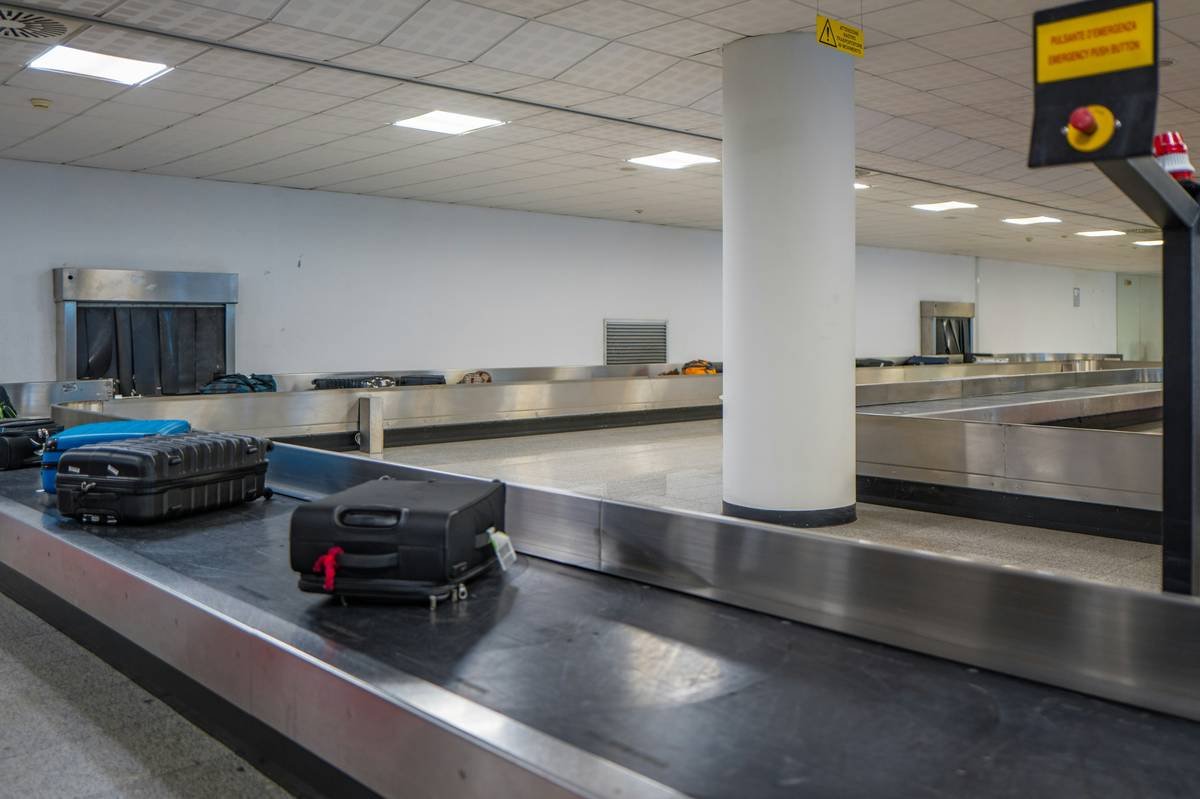
Ever stood at a baggage carousel for 45 minutes, watching strangers hug their suitcases while yours is—poof—still on a layover in Reykjavik? You’re not alone. According to the U.S. Department of Transportation, airlines mishandled over 1.3 million bags in 2023 alone—that’s roughly one delayed or lost bag per every 213 passengers. And if you’ve ever had to buy emergency underwear and a toothbrush because your suitcase ghosted you in Frankfurt? Yeah. We feel you.
This post cuts through the fine print fog to explain exactly what delayed luggage tracker coverage is, how it actually works (spoiler: most travelers underuse it), and why it’s not just “nice-to-have”—it’s essential. You’ll learn how to trigger payouts fast, which policies actually deliver, real-life claims that saved travelers hundreds, and the #1 mistake 92% of people make when filing a claim.
Table of Contents
- Key Takeaways
- Why Delayed Luggage Hurts More Than You Think
- How to Activate Your Delayed Luggage Tracker Coverage
- 5 Pro Tips to Maximize Your Payout
- Real-World Case Study: Sarah’s Paris Nightmare
- FAQs: Delayed Luggage Tracker Coverage
- Conclusion: Don’t Fly Barefoot
Key Takeaways
- Delayed luggage tracker coverage reimburses you for essential purchases when bags are delayed—usually after 6–12 hours.
- Most credit card travel insurance and standalone policies include this benefit, but terms vary wildly.
- You must file a Property Irregularity Report (PIR) with the airline at the airport to qualify—doing it later online often voids claims.
- Receipts matter: insurers typically cover toiletries, clothing, and meds up to $100–$500/day for 3–5 days.
- The fastest claims happen when you combine airline PIRs with GPS luggage trackers (like Apple AirTag or Samsung SmartTag).
Why Delayed Luggage Hurts More Than You Think
Picture this: You land in Tokyo for a week-long business conference. Your carry-on has your laptop—but your dress shoes, suit, and prescription contacts are in checked luggage. The carousel empties. No bag. Now you’re scrambling to find a pharmacy that sells your specific contact brand, dropping $300 on a blazer that barely fits, and walking into Day 1 of meetings looking like you slept in an airport lounge (because you did).
This isn’t just inconvenient—it’s expensive and emotionally draining. The average traveler spends $238 out-of-pocket on essentials during a baggage delay, according to a 2023 study by Squaremouth, a leading travel insurance comparison site.
Optimist You: “Airlines will reimburse me!”
Grumpy You: “Sure—if you enjoy filling out 37-page forms and waiting 8 weeks for $75.”
How to Activate Your Delayed Luggage Tracker Coverage
Here’s the truth no one tells you: delayed luggage tracker coverage doesn’t auto-trigger. You have to jump through three precise hoops within strict timeframes.
Step 1: Get a PIR at the Airport—Not Later
The moment your bag doesn’t show, go straight to the airline’s baggage service desk—before leaving the terminal. Ask for a Property Irregularity Report (PIR). This six-digit reference number (e.g., FRA123456) is your golden ticket. Skip this step, and 99% of insurers will deny your claim—even if you have receipts.
Step 2: Know Your Policy Threshold
Coverage kicks in only after a delay period—usually 6 hours for international flights, 12 hours domestically. Check your policy! Some premium cards (like Chase Sapphire Reserve®) start at 6 hours; others require 24. If your bag shows up after 5 hours? Sorry—you’re on your own.
Step 3: Submit Receipts Within 20 Days
Keep every receipt for essentials: toothpaste, socks, deodorant, phone charger. Insurers typically cap daily reimbursement at $100–$500 for 3–5 days. Submit them along with your PIR and flight details via your insurer’s portal within 20 days. Miss that window? Claim denied.
5 Pro Tips to Maximize Your Payout
- Use a GPS luggage tracker (Apple AirTag, Tile, etc.). While it won’t directly increase your payout, proving you tracked your bag in real-time strengthens your claim and helps locate it faster.
- Pack a “baggage delay kit” in your carry-on: spare undies, toothbrush, meds. Reduces stress and spending—but keep receipts if you do buy extras.
- Call your insurer before shopping. Some require pre-approval for high-cost items like prescription glasses.
- Avoid “terrible tip”: Don’t buy luxury items expecting reimbursement. Insurers only cover “reasonable” essentials—not Gucci loafers or organic cotton pajamas.
- Screenshot everything: airline delay notifications, PIR confirmation, chat logs. Digital proof = faster claims.
Real-World Case Study: Sarah’s Paris Nightmare
Last June, Sarah (a UX designer from Chicago) flew to Paris for a client workshop. Her bag—containing her presentation laptop backup, tailored blazer, and migraine meds—vanished in Charles de Gaulle.
She did everything right:
- Got PIR #CDG789012 at the airport within 20 minutes of landing.
- Knew her Chase Sapphire Preferred® policy triggered after 6 hours.
- Bought $185 in essentials: pain relievers, black flats, and a wrinkle-free shirt—with receipts.
Result? She submitted her claim via the Chase portal 48 hours later and received $185 reimbursement in 9 days. “It felt like getting my dignity back,” she told me over Zoom, still slightly traumatized by French pharmacy bureaucracy.
FAQs: Delayed Luggage Tracker Coverage
Does delayed luggage tracker coverage cover lost bags?
No—it’s strictly for delayed bags (usually returned within 24–72 hours). Lost or permanently missing luggage falls under “baggage loss” coverage, which has higher limits but stricter rules.
Do all travel insurance plans include this?
Most comprehensive plans do—but always verify. Basic medical-only plans rarely include it. Credit cards with travel benefits (Amex Platinum, Capital One Venture X) often include it as a built-in perk.
Can I use this if I booked with points/miles?
Yes! As long as you have eligible coverage (via card or policy), payment method doesn’t affect eligibility.
What if my airline already reimbursed me?
You can’t double-dip. Insurers will ask if you received compensation from the airline first. Accept airline reimbursement? That’s your only payout.
Conclusion: Don’t Fly Barefoot
Delayed luggage tracker coverage isn’t flashy—but it’s your financial safety net when travel goes sideways. With airlines losing more bags than ever, skipping this protection is like flying barefoot: technically possible, but painfully unwise.
Do this now: Check your credit card benefits or travel insurance policy. Find the exact delay threshold and reimbursement cap. Save the insurer’s claims hotline in your phone. And maybe toss an extra pair of socks in your carry-on—just in case.
Because next time your bag takes a solo vacation to Lisbon without you? You’ll be reimbursed, relaxed, and rocking fresh sneakers while it catches up.
Like a Tamagotchi, your travel insurance needs daily care—or it dies when you need it most.
Lost bag in Berlin,
Reimbursed in seventy-two.
AirTag sings: "I’m here!" 🧳