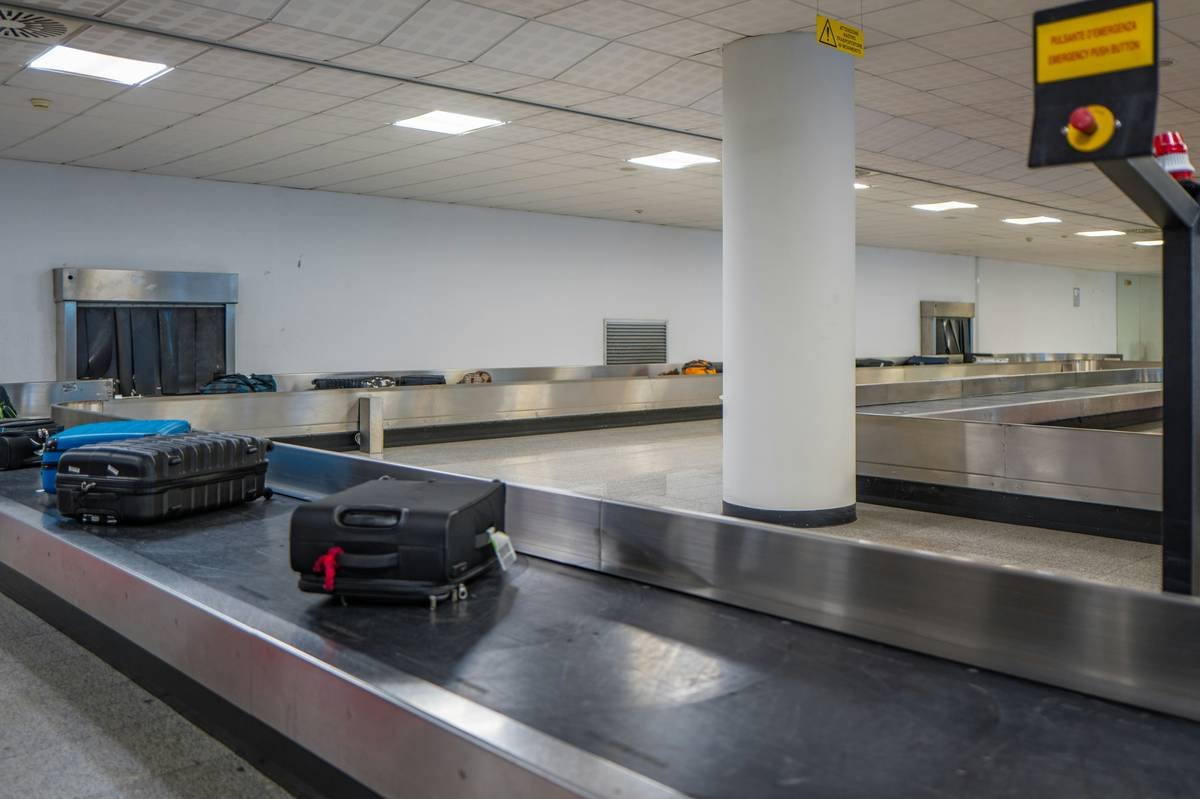
Ever landed in Lisbon at 2 a.m., jet-lagged and hungry, only to learn your suitcase is still sunbathing in Newark? You’re not alone. According to the International Air Transport Association (IATA), airlines mishandled 26 million bags globally in 2023—that’s roughly one lost or delayed bag every 1.2 seconds. And if you didn’t have a solid baggage delay coverage insurance plan? Good luck buying toothpaste, a change of clothes, and that emergency phone charger without draining your travel budget.
In this guide, you’ll discover exactly how baggage delay coverage insurance plans work, what they actually cover (spoiler: it’s not just socks), how to choose the right one, and real-world examples of travelers saved by smart planning. No fluff. Just actionable, expert-backed advice from someone who’s filed three claims—and lived to tell the tale.
Table of Contents
- Key Takeaways
- Why Baggage Delays Are More Than an Inconvenience
- How to Choose the Right Baggage Delay Coverage Insurance Plan
- 5 Pro Tips to Maximize Your Claim Success
- Real Traveler Stories: When Baggage Insurance Saved the Trip
- Baggage Delay Coverage FAQs
- Conclusion
Key Takeaways
- Most baggage delay coverage kicks in after a 4–12 hour delay, depending on your policy.
- Reimbursement typically covers essential items like toiletries, clothing, and medication—up to a daily or total limit (often $100–$500/day).
- Credit card travel insurance often includes baggage delay coverage—but check exclusions and claim procedures.
- Always keep receipts for emergency purchases; without them, your claim may be denied.
- File claims within 20–90 days post-travel; procrastination = forfeited funds.
Why Baggage Delays Are More Than an Inconvenience
Let’s be real: a delayed bag isn’t just “oops, no clean underwear.” It’s stress, wasted time, and unplanned expenses. I once spent €87 on a single night in Barcelona because my bag—packed with prescription meds, hiking boots, and a wedding guest outfit—was rerouted to Frankfurt. I had to buy painkillers, blister bandages, and a semi-formal dress… all while nursing jet lag and wondering if I’d ever see my favorite Patagonia fleece again.
And here’s the kicker: airlines are not required to reimburse you immediately. Under the Montreal Convention, carriers must compensate for baggage damage or loss—but delays? That’s murky territory. Most airlines offer vouchers or minimal compensation only after 24+ hours. Meanwhile, you’re stuck shelling out cash just to function.

Grumpy You: “Ugh, fine—but only if coffee’s involved.”
Optimist You: “A good baggage delay coverage insurance plan pays for that emergency espresso and your new undies.”
How to Choose the Right Baggage Delay Coverage Insurance Plan
Wait—Do I Even Need This?
If you travel internationally, pack essentials (meds, business attire, baby formula), or fly with budget carriers known for tight connections (looking at you, Ryanair), yes. Even domestic travelers benefit—especially during peak seasons when airports resemble Black Friday sales.
Step 1: Know What ‘Coverage’ Actually Means
Not all “baggage delay” policies are equal. Look for:
– Waiting period: How many hours must pass before coverage starts? (Ideal: ≤6 hours)
– Daily vs. total limit: Does it pay $200/day for 3 days, or max $300 total?
– Eligible expenses: Some exclude electronics or luxury items.
– Proof required: Baggage claim tags + receipts = non-negotiable.
Step 2: Check Your Existing Coverage
Many premium credit cards (Chase Sapphire Reserve®, Amex Platinum®) include automatic baggage delay coverage when you book flights with them. But read the fine print:
– Chase Sapphire Reserve® covers up to $500 after a 6-hour delay.
– Capital One Venture X offers $100/day for up to 5 days—but excludes “incidental” costs like laundry.
Step 3: Compare Standalone Travel Insurance Plans
Use sites like Squaremouth or InsureMyTrip to filter by “baggage delay” benefits. Top providers:
– Allianz Global Assistance: Up to $600 total
– World Nomads: Flexible for long-term travelers
– Berkshire Hathaway Travel Protection: Clear terms, fast claims
Confessional Fail: I once skipped buying separate insurance because my card “covered it”—only to learn too late that it excluded trips under 8 hours. My 5-hour layover in Denver? Not covered. Lesson learned: never assume.
5 Pro Tips to Maximize Your Claim Success
- Get a Property Irregularity Report (PIR): At the airport, demand this official document from baggage services—it’s your golden ticket for claims.
- Buy only essentials: Insurers won’t reimburse you for souvenir t-shirts or fancy skincare. Stick to basics: toothbrush, socks, deodorant, sleep meds.
- Keep every receipt: Digital or paper—doesn’t matter. But if it’s not itemized, it’s useless.
- Take photos of your empty luggage carousel: Yes, really. Timestamped proof helps if your airline disputes delay duration.
- Submit early: Most insurers require claims within 30–90 days. Set a calendar reminder!
Rant Section: Why do some insurers deny claims over a €2 bottle of hand sanitizer? “Not medically necessary”? Lady, I was in Bangkok during dengue season. Don’t @ me.
Real Traveler Stories: When Baggage Insurance Saved the Trip
Case Study 1: The Bali Business Trip Rescue
Maria, a marketing exec, flew from Chicago to Bali for a client pitch. Her bag—containing tailored suits, laptop, and presentation materials—was delayed 18 hours. Using her Berkshire Hathaway plan, she bought a blazer, dress shirt, and backup hard drive. Submitted receipts + PIR, got reimbursed $385 in 72 hours. “It literally saved my career,” she said.
Case Study 2: Family Vacation Redemption
The Chen family’s ski trip to Whistler imploded when four bags vanished en route. Their Allianz policy kicked in after 8 hours. They bought thermal layers, snow pants, and kids’ gloves—totaling $620. Claim approved in 5 days. “Worth every penny of the $98 premium,” Mr. Chen noted.
These aren’t outliers. A 2023 USA Today report found that baggage-related claims rose 34% year-over-year—proof that smart travelers are protecting themselves.
Baggage Delay Coverage FAQs
What’s the difference between baggage delay and lost baggage coverage?
Baggage delay covers temporary losses (you get your bag back), while lost baggage covers permanent loss or damage. Delay pays for essentials; lost coverage reimburses item value (often up to $1,000–$3,000).
Does my credit card’s baggage delay coverage require me to pay for the entire trip with it?
Usually, yes. Most cards require full airfare payment via the card to activate benefits. Partial payments often void protection.
Can I claim if my bag is delayed but I’m traveling domestically?
Absolutely. Domestic delays count—as long as your policy doesn’t exclude them (most don’t).
How long does it take to get reimbursed?
Typically 7–21 business days if documentation is complete. Some insurers (like World Nomads) offer expedited review for digital submissions.
Is there a “terrible tip” I should avoid?
Terrible Tip Disclaimer: “Just use your frequent flyer miles to buy stuff instead.” Nope. Miles don’t cover basic hygiene. Also, airlines won’t accept them for emergency kits. Stick to cash + receipts.
Conclusion
A baggage delay coverage insurance plan isn’t about paranoia—it’s about peace of mind. With airline systems stretched thin and passenger volumes soaring, delays are inevitable. But financial stress? Avoidable. Whether through a premium credit card or a dedicated travel insurance policy, securing baggage delay coverage means you’re prepared when the unexpected strikes.
So next time you book a flight, ask yourself: “If my bag doesn’t make it, can I afford to replace the essentials?” If the answer gives you pause, it’s time to get covered.
Like a Tamagotchi, your travel safety net needs daily care—except this one doesn’t beep at 3 a.m. demanding pixelated snacks.
Haiku:
Luggage lost in transit,
Receipts stacked like hope in pockets—
Insurance answers.