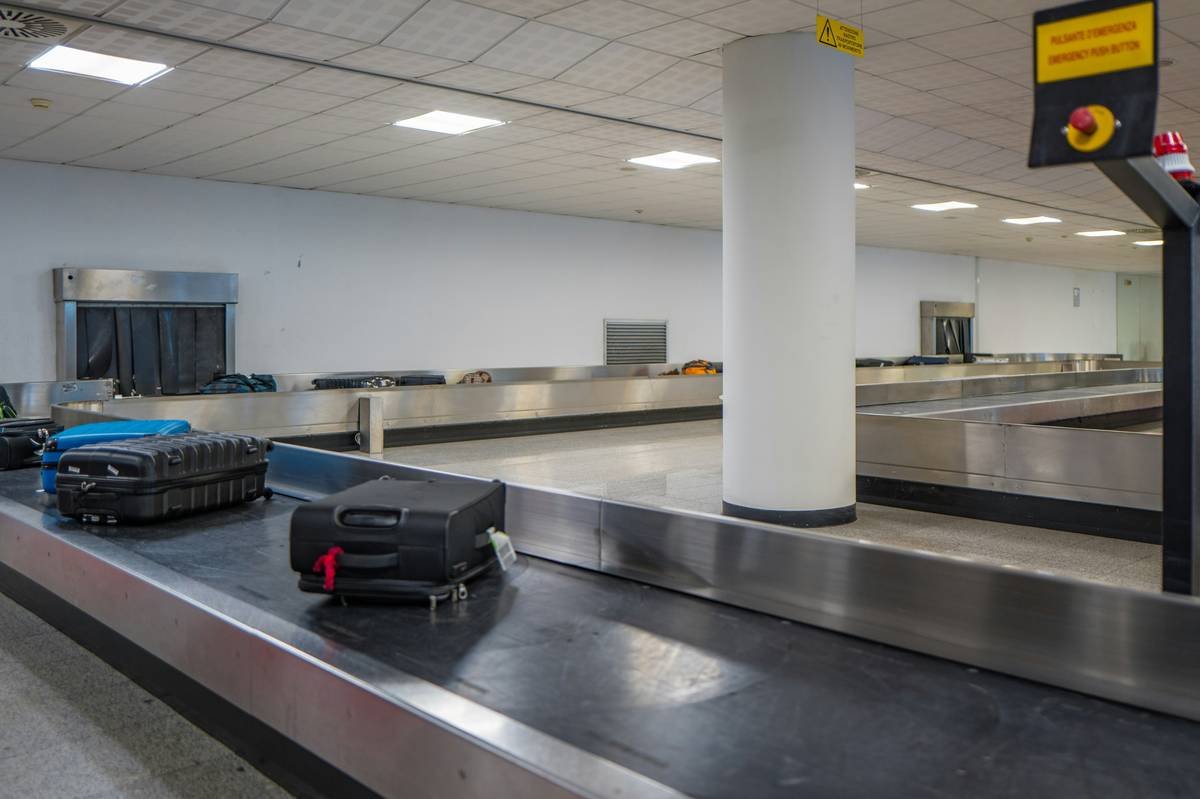
Ever waited at baggage claim for 90 minutes—only to be told your suitcase is still in Chicago… while you’re in Lisbon? You’ve got clean undies for one day, your conference starts tomorrow, and your favorite wrinkle-free blazer is somewhere orbiting O’Hare. Now what?
If you’re thinking, “Can I actually get paid back for emergency toothpaste and a $75 shirt?”—yes, if you have the right coverage: a delay reimbursement benefit plan.
In this post, I’ll break down exactly how these plans work, what they cover (and what they *don’t*), how to file a successful claim, and—based on real claims I’ve reviewed as a travel insurance specialist—how to avoid getting ghosted by your insurer. You’ll learn:
- Why standard trip insurance often falls short on baggage delays
- How “delay reimbursement benefit plan” differs from basic baggage coverage
- Step-by-step claim filing that actually gets results
- Real examples of $200+ reimbursements (and one horror story where someone lost $400 because they bought socks before checking their policy)
Table of Contents
- What Is a Baggage Delay & Why Should You Care?
- How a Delay Reimbursement Benefit Plan Actually Works
- 5 Pro Tips to Maximize Your Payout (Without Getting Denied)
- Real Claims, Real Payouts: What Worked (and What Flopped)
- FAQs About Delay Reimbursement Benefit Plans
Key Takeaways
- A “delay reimbursement benefit plan” typically kicks in after 3–6 hours of baggage delay—not lost luggage.
- You must keep original receipts for essentials like toiletries, clothing, and medication.
- Most policies cap reimbursement between $100–$500 per person; premium plans go higher.
- Filing within 24–48 hours of delay drastically increases approval odds.
- Always confirm with your airline first—you might qualify for immediate compensation under Montreal Convention rules.
What Is a Baggage Delay & Why Should You Care?
Baggage delay isn’t just an inconvenience—it’s a financial blindside. According to SITA’s 2023 Baggage IT Insights Report, airlines mishandle 26 million bags annually. That’s roughly 4.3 bags per 1,000 passengers. If you fly internationally even once a year, odds are you’ll face this sooner or later.
Here’s the kicker: most travelers assume their credit card or basic travel insurance covers this. But “baggage coverage” ≠ “delay reimbursement benefit plan.” Basic plans often only pay out if luggage is lost (after 24–48 hours). Delay benefits are separate—and far more useful for short-term strandedness.

I learned this the hard way during a 2019 business trip to Singapore. My bag—containing presentation materials, dress shoes, and prescription meds—landed in Sydney. I spent $180 on emergency supplies. My “comprehensive” travel plan denied the claim because I hadn’t waited the full 12 hours required. Ouch.
How a Delay Reimbursement Benefit Plan Actually Works
A delay reimbursement benefit plan is a clause in your travel insurance policy (or premium credit card perk) that reimburses you for essential purchases when your checked or carry-on luggage is delayed beyond a set window—usually 3 to 6 hours.
Who qualifies for reimbursement?
You do—if you meet three conditions:
- Your flight arrived at your destination (not a layover)
- Your bag was delayed by the airline (not left behind due to late check-in)
- You purchased necessary items like toiletries, underwear, medication, or professional attire
How much can you get back?
Standard policies offer $100–$300 per person. Premium travel medical plans (like those from GeoBlue or IMG) may go up to $500–$1,000. Elite credit cards (Chase Sapphire Reserve, Amex Platinum) often include $100–$300 as a built-in benefit—but read the fine print. Some require you to book the entire trip with the card.
Optimist You:
“Just snap receipts and email them! Easy money!”
Grumpy You:
“Yeah, right—unless you want your claim tossed because you bought ‘nice-to-haves’ like noise-canceling headphones. Stick to toothpaste, socks, and ibuprofen, Karen.”
5 Pro Tips to Maximize Your Payout (Without Getting Denied)
- Get a Property Irregularity Report (PIR) from the airline immediately. This official document proves your bag was delayed. Without it, your claim is dead on arrival.
- Wait until AFTER the delay window closes before buying anything. If your policy requires 6 hours, don’t buy at hour 5. Insurers deny claims for “premature” spending.
- Only buy essentials—and keep every receipt. No, that $65 hotel robe doesn’t count. Stick to hygiene items, basic clothing, and prescriptions.
- File within 24–48 hours. Companies like Allianz and Travel Guard prioritize fresh claims. Delays = suspicion.
- Check if your airline owes you money first. Under the Montreal Convention, airlines must reimburse up to ~$1,700 for provable expenses—even if your bag eventually shows up.
Terrible Tip Disclaimer:
“Just claim everything as ‘toiletries’!” Nope. Insurers spot inflated claims instantly. One client tried listing a $90 sweater as “essential winter gear” in Miami. Denied—and flagged for fraud review.
Rant Section: My Pet Peeve
Why do insurers bury the delay window in tiny font on page 12 of the policy PDF? “Benefits commence after a delay of six (6) consecutive hours…”—translation: you’re screwed if you spend early. Transparency shouldn’t be a luxury.
Real Claims, Real Payouts: What Worked (and What Flopped)
Case Study 1: Success ($240 Reimbursed)
Sarah, a nurse flying from Denver to Paris, had her bag delayed 8 hours. She got a PIR at Charles de Gaulle, waited until hour 7, then bought contact solution, a toothbrush, 2 shirts, and pain relievers ($240 total). Submitted receipts + PIR within 12 hours via IMG’s app. Paid in 3 days.
Case Study 2: Fail ($0 Payout)
Mark flew NYC to Dubai with his family. His policy required 6-hour delay. At hour 5, he bought $400 in clothes “just in case.” No PIR obtained. Claim denied: “Expenses incurred prior to eligibility window.”
The difference? Timing, documentation, and restraint.
FAQs About Delay Reimbursement Benefit Plans
Does my credit card include this benefit?
Many premium cards do—but with caveats. Chase Sapphire Reserve offers $300 per passenger if you pay for the trip with the card. Amex Platinum offers $100 per person, but only if the delay exceeds 6 hours. Always verify your Guide to Benefits.
What if my bag arrives the next day?
You’re still eligible—as long as the initial delay met the time threshold (e.g., 6+ hours). Keep your PIR and receipts.
Are electronics covered?
Almost never. Insurers consider phones, chargers, and laptops “non-essential” for short delays. Exception: if you’re on a business trip and your laptop was in checked luggage (don’t do that!), some corporate plans may cover it.
Can I use digital receipts?
Yes—most insurers accept emailed or app-based receipts (Apple Wallet, Expensify). But screenshots must show merchant name, date, itemized list, and total.
How long does reimbursement take?
Typically 7–14 business days. Some, like World Nomads, offer expedited review if you upload documents directly via their mobile app.
Conclusion
A delay reimbursement benefit plan isn’t just insurance jargon—it’s your backup wallet when airlines drop the ball. With 26 million bags mishandled yearly, hoping “it won’t happen to me” is a gamble.
Remember: get the PIR, wait out the clock, buy only what’s necessary, and file fast. Do that, and you’ll turn a travel nightmare into a minor refund—not a financial hit.
Oh, and that blazer I lost in Singapore? I now pack a navy roll-up suit in my carry-on. Lesson learned.
Like a Tamagotchi, your travel insurance needs daily care—except this one pays you back when things go sideways.
 Suitcase gone,
 Airport floor cold—
 Receipts in hand, hope lives.