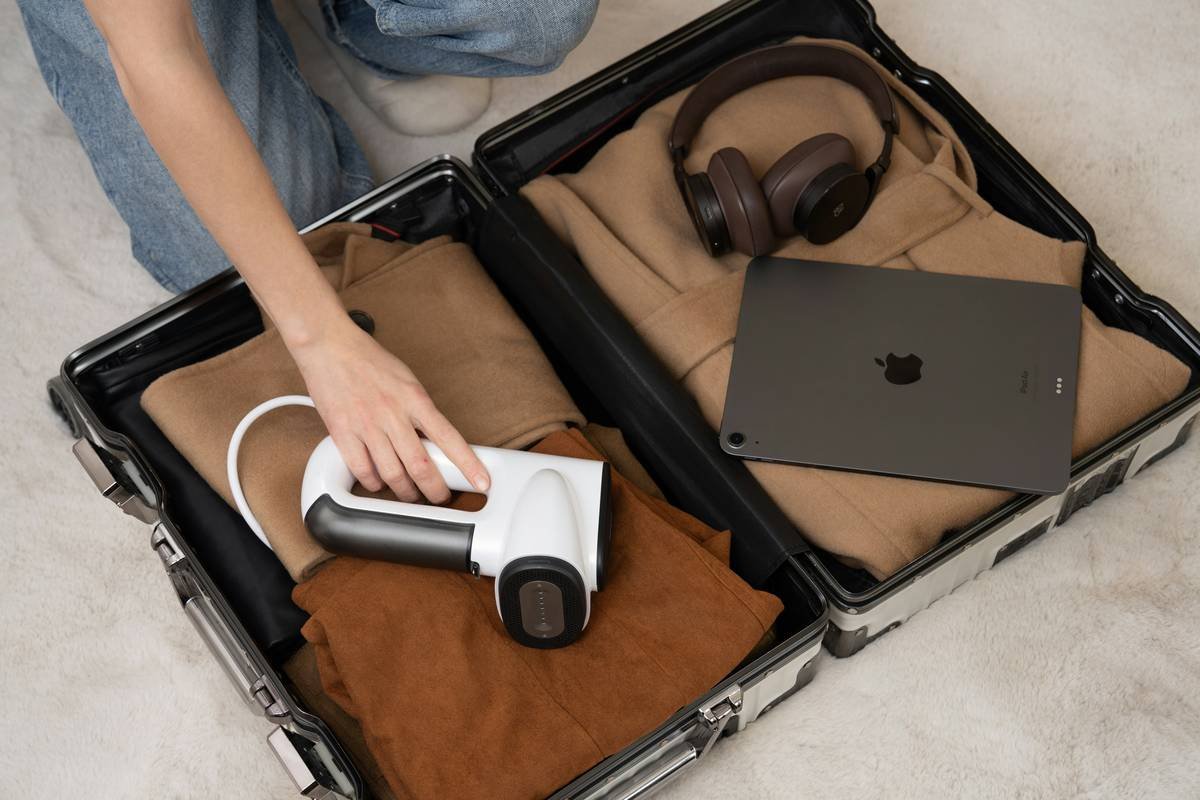
Ever had your luggage delayed, lost, or damaged during a trip? Felt like your entire vacation was ruined because of a missing suitcase? We’ve all been there. But what if I told you there’s a way to minimize the stress and financial burden of such mishaps? Enter the baggage tracking system plan. In this comprehensive guide, we’ll cover everything you need to know about baggage delay insurance, how it works, and why it’s essential for every traveler. You’ll learn:
- Why baggage tracking system plans are crucial.
- How to choose the right baggage tracking system plan.
- Best practices and tips for hassle-free travel.
- Real-world examples and case studies.
- Frequently asked questions and answers.
Table of Contents
- Section 1: The Problem of Luggage Delays
- Section 2: How to Choose the Right Baggage Tracking System Plan
- Section 3: Tips and Best Practices for Hassle-Free Travel
- Section 4: Real-World Examples and Case Studies
- Section 5: FAQs About Baggage Tracking System Plans
Key Takeaways
- Baggage delays can ruin your travel experience.
- A good baggage tracking system plan can help mitigate the stress and financial impact.
- Choosing the right plan involves understanding coverage, limits, and exclusions.
- Real-world examples show the effectiveness of baggage tracking systems.
Section 1: The Problem of Luggage Delays
Imagine landing at your dream destination, only to find out your luggage is MIA. It’s a nightmare that can turn even the most planned vacation into a logistical nightmare. According to Travel + Leisure, millions of bags are mishandled each year, and the consequences can be severe. From missed meetings to ruined outfits, the list goes on. This is where a baggage tracking system plan comes in—your lifeline in the event of luggage delays.
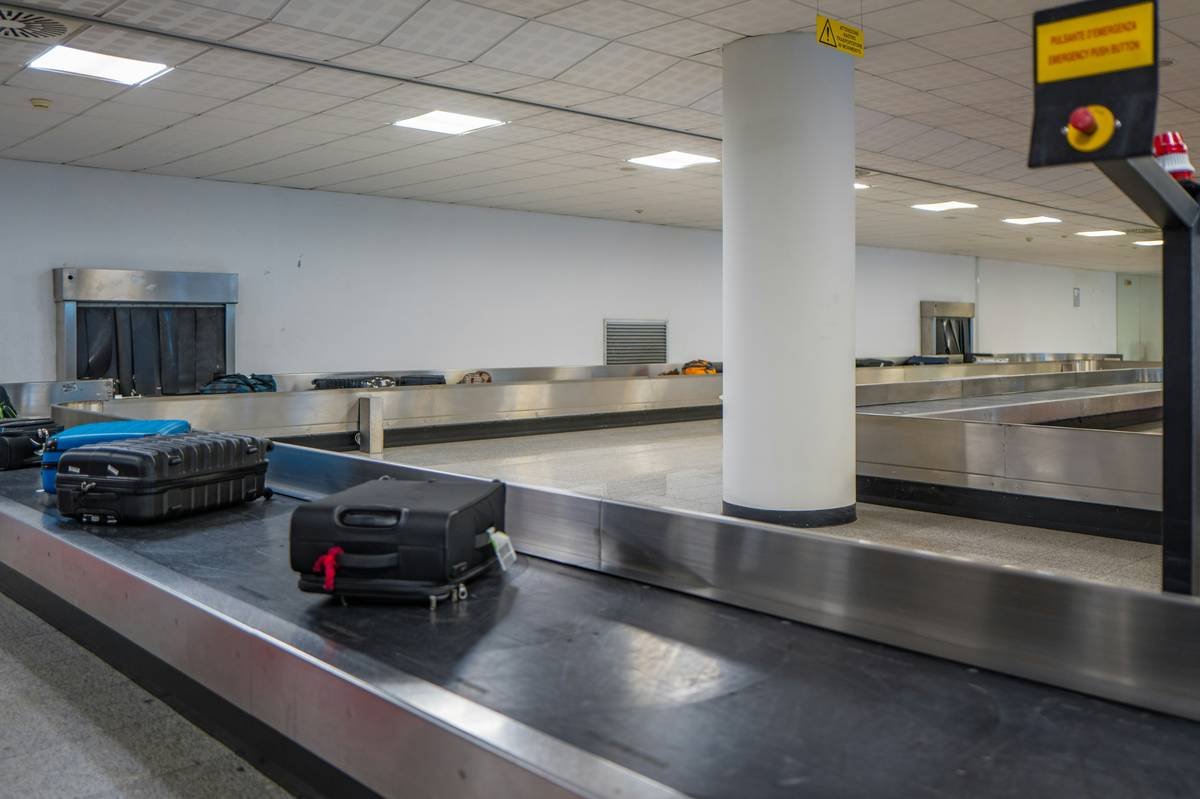
Optimist You: “Luggage delays can be managed with the right plan!”
Grumpy You: “Ugh, fine—but only if it doesn’t cost an arm and a leg.”
Section 2: How to Choose the Right Baggage Tracking System Plan
Choosing the right baggage tracking system plan is like finding the perfect pair of travel shoes—essential and highly personal. Here’s a step-by-step guide to help you pick the best plan for your needs:
Step 1: Understand Your Coverage Needs
Start by assessing your travel habits and the types of trips you take. Do you travel frequently? Are you a business traveler or a leisure traveler? Understanding your specific needs will help you narrow down the options.
Step 2: Compare Coverage Limits and Exclusions
Not all baggage tracking system plans are created equal. Some may have higher coverage limits, while others may exclude certain items like electronics or jewelry. Make sure to read the fine print and understand what’s covered and what’s not.
Step 3: Check the Claims Process
In the unfortunate event that you do need to file a claim, the last thing you want is a complicated process. Look for a plan with a straightforward claims process and 24/7 customer support.
Optimist You: “A good plan means peace of mind!”
Grumpy You: “I just hope it doesn’t mean reading through a 100-page policy document.”
Section 3: Tips and Best Practices for Hassle-Free Travel
Now that you know how to choose the right baggage tracking system plan, here are some additional tips to make your travels as smooth as possible:
- Pack Smart: Label your bags clearly and use a unique tag or ribbon to identify them easily. Also, pack essentials like medications and valuables in your carry-on.
- Keep Documentation Handy: Always keep your travel documents, including your insurance policy, in a secure and easily accessible place.
- Stay Informed: Sign up for alerts from your airline and consider using a baggage tracking app to keep tabs on your luggage.
Terrible Tip (Disclaimer): “Just throw everything in your suitcase and hope for the best.” – Don’t do this unless you enjoy the thrill of chaos.
Section 4: Real-World Examples and Case Studies
Let’s take a look at some real-life scenarios where a baggage tracking system plan made a significant difference:
Example 1: The Business Trip Debacle
What Happened: Sarah, a business traveler, had her laptop and important documents stolen during a layover. Thanks to her baggage tracking system plan, she was able to get a replacement laptop and compensation for her losses.
Example 2: The Honeymoon Horror
What Happened: John and Jane, newlyweds, arrived in Bali to find their luggage delayed by a week. With their baggage tracking system plan, they received an allowance to buy necessary items and were compensated for their inconvenience.
Section 5: FAQs About Baggage Tracking System Plans
Here are some common questions and answers to help you better understand baggage tracking system plans:
Q: What does a baggage tracking system plan typically cover?
A: A standard baggage tracking system plan covers expenses related to the delay, loss, or damage of your luggage. This can include emergency purchases, compensation for lost items, and sometimes even a cash allowance for inconvenience.
Q: How much does a baggage tracking system plan cost?
A: The cost varies depending on the provider and the level of coverage, but it typically ranges from $5 to $20 per trip. Some credit cards and travel insurance policies also offer baggage tracking system plans as part of their benefits.
Q: Can I buy a baggage tracking system plan after my trip has started?
A: Generally, you need to purchase the plan before your trip begins. However, some providers offer last-minute options, but they may come with higher premiums.
Conclusion
Traveling should be a joy, not a source of stress. A baggage tracking system plan is your key to peace of mind, ensuring that even if the worst happens, you’re covered. By understanding the importance of such a plan, choosing the right one, and following best practices, you can make your next trip as smooth as possible. So, the next time you’re packing, remember: a little preparation can go a long way in making your travels worry-free.
Like a Tamagotchi, your travel preparations need daily care. Stay prepared, stay safe, and happy travels!