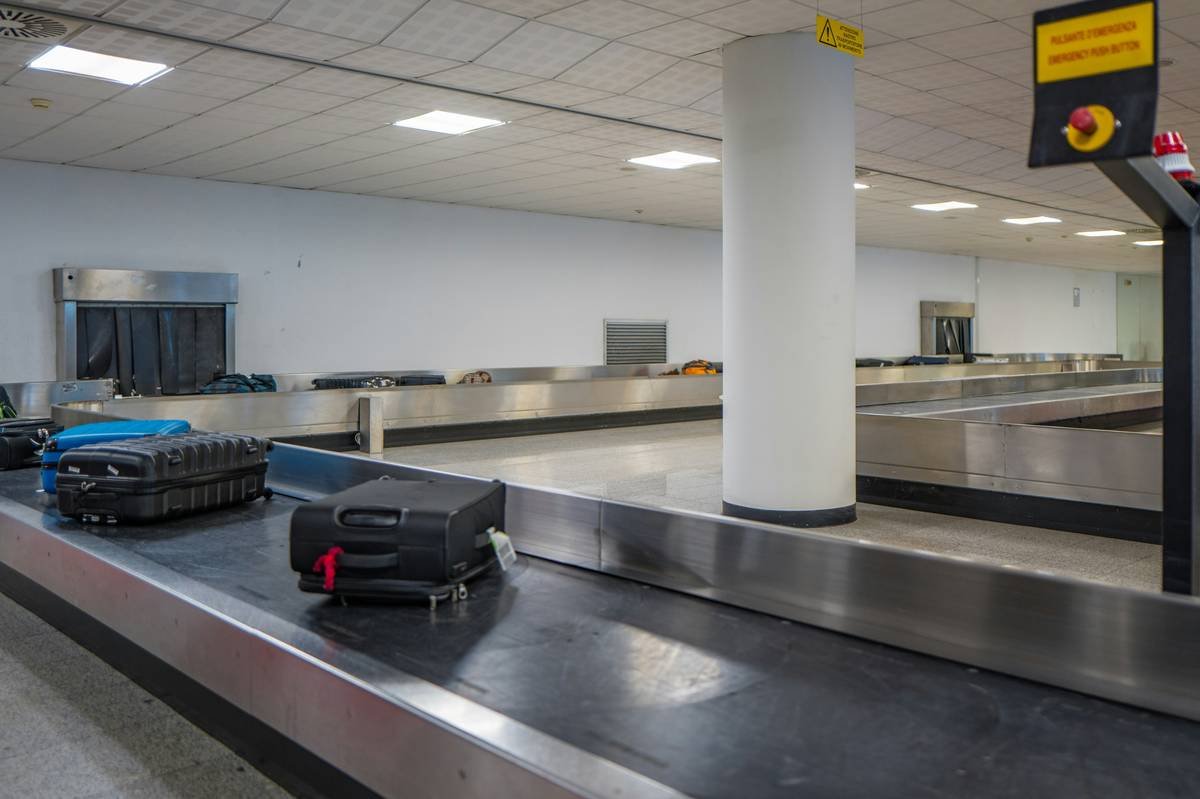
Ever stood at a baggage carousel for 45 minutes, watching strangers cheerfully wheel away their polka-dot suitcases while yours—stuffed with prescription meds, your wedding shoes, and that one shirt you actually packed ironed—remains stubbornly MIA? You’re not alone. In 2023 alone, U.S. airlines mishandled over 1.7 million bags—that’s nearly 5,000 lost, delayed, or damaged bags every single day (U.S. Department of Transportation). And if you’ve ever shrugged it off thinking “It’ll show up tomorrow,” only to learn your hotel has no laundry service and your conference starts in 8 hours… this post is for you.
This isn’t just another generic “buy travel insurance” lecture. We’re diving deep into lost luggage recovery coverage—the underused, often misunderstood safety net that can turn a travel meltdown into a minor hiccup. You’ll learn exactly how it works, what most people get wrong (yes, even frequent flyers), how to file claims like a pro, and real examples where it saved travelers thousands. Oh—and I’ll confess my own baggage blunder that cost me $320 and three sleepless nights in Lisbon. Let’s fix that for you before your next trip.
Table of Contents
- Why Lost Luggage Recovery Coverage Matters More Than You Think
- How to Activate and Use Lost Luggage Recovery Coverage: Step-by-Step
- 5 Pro Tips to Maximize Your Baggage Delay Payouts
- Real Case Study: How Jamie Got $850 After a 12-Hour Delay in Dubai
- FAQ: Lost Luggage Recovery Coverage
Key Takeaways
- “Lost luggage recovery coverage” typically refers to baggage delay benefits within comprehensive travel insurance—not standalone policies.
- Airlines are only required to reimburse up to $3,800 per passenger for lost/delayed bags on domestic U.S. flights—but the process is slow and unreliable.
- Most travel insurance plans cover emergency essentials (toiletries, clothing) after a 4–12 hour delay, often up to $500–$1,000.
- Filing a Property Irregularity Report (PIR) with the airline is step zero—without it, your insurance claim will be denied.
- Keep receipts. Always. Even that €3.90 toothbrush in Frankfurt counts.
Why Does Lost Luggage Recovery Coverage Matter More Than You Think?
Let’s cut through the noise: “Lost luggage recovery coverage” isn’t about getting your suitcase back—it’s about getting reimbursed fast for essentials while you wait (or mourn). Many travelers mistakenly believe airlines will handle everything. Reality check: even when they’re legally liable, reimbursement can take 6–8 weeks, requires reams of paperwork, and caps at amounts that haven’t kept pace with inflation.
I learned this the hard way during a work trip to Lisbon. My bag vanished after a TAP Air Portugal connection. The airline offered a €50 voucher “for inconvenience.” Meanwhile, I needed dress shirts, a laptop charger, and allergy meds—none of which were covered under their flimsy compensation. Because I hadn’t activated my credit card’s travel insurance (yes, I forgot to call them pre-trip), I paid $320 out of pocket. Lesson seared into my brain: airline liability ≠ adequate protection.
Here’s the kicker: most premium travel insurance plans include “baggage delay” coverage as part of their package—often called “lost luggage recovery coverage” in marketing materials. This kicks in after a waiting period (usually 4–12 hours) and reimburses you for necessary purchases. It’s faster, more generous, and doesn’t require proving airline fault. That’s why savvy travelers stack this with their flight booking—not as an afterthought.
How Do I Actually Use Lost Luggage Recovery Coverage? (Step-by-Step)
Optimist You: “Just snap pics of receipts and get paid!”
Grumpy You: “Ugh, fine—but only if coffee’s involved and no fax machines are required.”
Good news: modern claims are digital, fast, and (mostly) painless—if you follow these steps.
Step 1: File a Property Irregularity Report (PIR) Immediately
Before you leave the airport, go to the airline’s baggage service desk and file a PIR. This six-digit reference number is non-negotiable. No PIR = automatic claim denial. Ask for a copy—digital or paper.
Step 2: Notify Your Insurance Provider Within 24 Hours
Call or use your insurer’s app. Companies like World Nomads, Allianz, or even Chase Sapphire Reserve require prompt notification. Say: “I’m filing a baggage delay claim under lost luggage recovery coverage.” They’ll email a claim form instantly.
Step 3: Buy Only Necessities—and Keep Every Receipt
Coverage typically includes: toiletries, underwear, socks, basic clothing, essential meds. Not $200 jeans or airport sushi. Stick to drugstores or budget retailers. Pro tip: buy in local currency—convert later using your bank’s rate.
Step 4: Submit Your Claim Within 30 Days
Upload your PIR, boarding pass, receipts, and ID. Most insurers pay via direct deposit in 3–10 business days. Boom. Faster than airlines by weeks.
5 Pro Tips to Maximize Your Baggage Delay Payouts
- Know Your Policy’s Waiting Period: Some plans trigger after 4 hours (e.g., InsureMyTrip’s Prime plan), others after 12. Shorter = better for tight connections.
- Use a Credit Card with Built-in Coverage: Cards like Amex Platinum or Capital One Venture X offer secondary baggage delay insurance—stack it with your primary policy for backup.
- Pre-Pack a “Delay Kit”: Keep meds, charger, and underwear in your carry-on. Reduces stress and keeps emergency spending low.
- Avoid These Purchases: Alcohol, luxury items, and electronics are almost never covered. Save the souvenir shopping for when your bag arrives.
- Track Your Bag with Tech: Tile or Apple AirTag won’t prevent delays, but they help locate bags stuck in sorting rooms—cutting delay time.
Brutal honesty time: Don’t listen to anyone who says “just declare your bag lost after 24 hours.” Airlines consider bags “lost” only after 5–14 days. Filing early saves headaches but doesn’t accelerate physical recovery. Patience + paperwork = payout.
Real Case Study: How Jamie Got $850 After a 12-Hour Delay in Dubai
Last November, teacher Jamie M. connected through DXB en route to Bali. Her checked bag didn’t make the transfer. With a 14-hour layover and no clean clothes, she filed a PIR with Emirates, then contacted her Allianz Global Assistance plan (bought via Travel Guard).
Within 2 hours, Allianz approved her claim up to $1,000 after a 12-hour delay. She spent $850 on essentials at Dubai Mall’s H&M and Boots: 2 outfits, sandals, toiletries, and contact lens solution. Submitted receipts via app that night. Got reimbursed in 5 days.
“The airline eventually delivered my bag to Bali 36 hours late,” Jamie said. “But without that insurance, I’d have worn the same sweaty yoga pants to my resort welcome dinner. Not cute.”
This is the power of lost luggage recovery coverage: it doesn’t wait for the bag. It waits for you to need help—and delivers.
FAQ: Lost Luggage Recovery Coverage
Does “lost luggage recovery coverage” cover stolen bags?
No. It covers delayed or lost bags by the airline—not theft from your hotel room. For theft, you need “baggage loss” coverage, often bundled separately.
How much does it usually pay?
Most plans offer $250–$1,000 per person for delays over 4–12 hours. High-end plans (e.g., Berkshire Hathaway Travel Protection) go up to $2,000.
Can I use it on a domestic flight?
Yes! As long as your travel insurance policy covers domestic trips. Always check the fine print—some exclude same-state travel.
What if my bag shows up after I buy replacements?
You keep both. Insurers don’t ask for returns. Just don’t double-dip—keep spending reasonable.
Is it worth it for short trips?
If you’re flying with connections or budget airlines (which have higher mishandling rates), yes. A $30–$60 policy upgrade can prevent $300+ in emergency spending.
Conclusion
Lost luggage recovery coverage isn’t glamorous—but it’s the quiet hero of stress-free travel. It bridges the gap between airline bureaucracy and your immediate needs, turning panic into practicality. Remember: file that PIR, know your policy’s triggers, spend smart, and always, always keep receipts. Your future self—at 3 a.m. in a foreign airport, Googling “pharmacy open near me”—will thank you.
And hey—if your bag does pull a Houdini? At least you’ll be wearing clean socks while you wait.
Like a Tamagotchi, your travel insurance needs attention before the crisis hits.