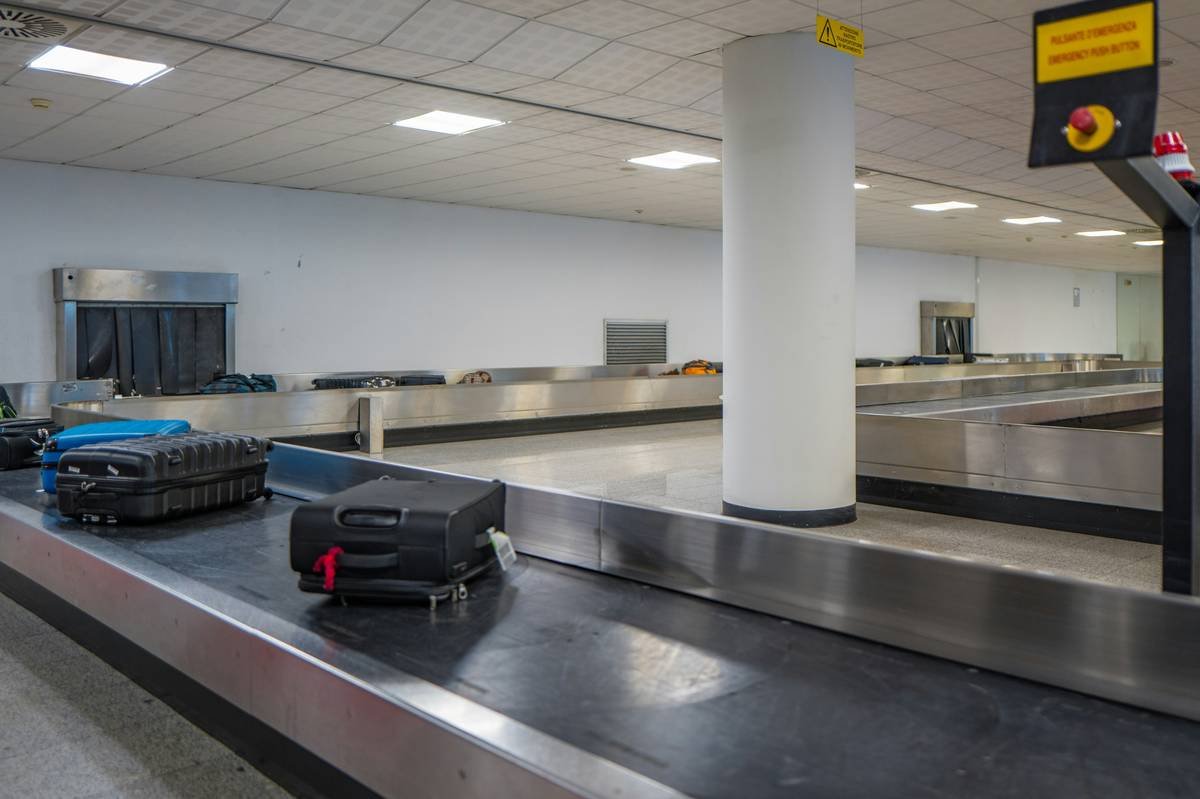
Ever stood at the baggage carousel, staring at that lonely spinning belt for what feels like an eternity? You’re not alone. According to SITA’s 2023 report, over 7.6 million bags were mishandled globally, with delays accounting for a staggering 48% of those incidents. And if you’ve ever had your suitcase go MIA during a dream vacation, you know how stressful (and expensive) it can be. Enter the baggage delay tracking system. Wondering what it is and how it fits into your travel insurance plan? Stick around—you’re about to find out.
Table of Contents
- Key Takeaways
- Why Baggage Delays Are the Ultimate Travel Nightmare
- How to Use a Baggage Delay Tracking System Like a Pro
- Top Tips for Choosing Baggage Delay Insurance
- Real-Life Example: How One Traveler Survived a Week Without Luggage
- FAQs About Baggage Delay Tracking Systems and Insurance
Key Takeaways
- A baggage delay tracking system helps travelers stay informed about their lost luggage in real-time.
- Baggage delay insurance reimburses you for essential purchases when your luggage is delayed beyond a specified time frame.
- Not all travel insurance plans are created equal—some offer better coverage than others.
- Using airline apps or third-party tools can enhance your ability to track delayed baggage.
- Always document everything: receipts, emails, and communication with airlines.
Why Baggage Delays Are the Ultimate Travel Nightmare
I once arrived in Paris for a month-long writing retreat, only to discover my bag wouldn’t show up for another three days. Imagine this: no clothes, no toiletries, no laptop charger. Yep, I was stuck using public restroom sinks as makeshift showers until my trusty duffel arrived. Sounds glamorous, right?
The truth is, baggage delays happen more often than we’d like to admit. Airlines claim they’re working on reducing these issues, but glitches still occur—from weather disruptions to human error. That’s where a baggage delay tracking system comes in handy. These systems allow you to monitor your luggage’s location via mobile apps or web portals provided by carriers or tracking devices attached to your bags.
“Optimist You:” ‘With a tracking system, you’ll always know where your bag is!’
“Grumpy You:” ‘Ugh, unless the airline loses the tracker too…’
How to Use a Baggage Delay Tracking System Like a Pro
Ready to become a master of baggage delay tracking? Follow these steps:
Step 1: Check If Your Airline Offers Real-Time Tracking
Most major airlines now provide real-time updates through their apps. Simply enter your flight number or booking reference to get started.
Step 2: Invest in Smart Luggage Tags
Gone are the days of flimsy paper tags. Smart luggage tags use GPS or Bluetooth technology to connect with your phone. Popular options include Apple AirTags and Tile trackers.
Step 3: Report Delays Immediately
If your bag doesn’t arrive within 24 hours, file a Property Irregularity Report (PIR) with the airline. This kicks off the process for both tracking and compensation claims.
Pro Tip: Snap photos of your packed suitcase before check-in. This serves as proof of contents later.
Top Tips for Choosing Baggage Delay Insurance
- Check the Coverage Limit: Ensure the policy reimburses enough to cover essentials like clothing and toiletries. Most policies cap payouts between $500-$1,000.
- Look for Flexible Waiting Periods: Some insurers require a minimum delay of 6-12 hours before paying out—make sure this aligns with your needs.
- Prioritize Worldwide Coverage: International travelers should ensure their policy works overseas.
- Avoid Overlapping Policies: Credit cards sometimes include travel perks; confirm whether buying separate insurance is necessary.
Warning: Don’t fall for “too-good-to-be-true” deals without reading the fine print.
Real-Life Example: How One Traveler Survived a Week Without Luggage
Jessica, a frequent traveler, shares her story:
“I landed in Bali only to learn my bag wouldn’t arrive for four days due to a storm rerouting planes mid-flight. Thankfully, my insurer covered emergency purchases like yoga pants and sunscreen—basically saving my trip!”
Her secret weapon? Combining her airline’s baggage delay tracking system with proactive communication. She even used WhatsApp to send daily reminders to customer service reps until her bag was delivered. Now THAT’S persistence.
FAQs About Baggage Delay Tracking Systems and Insurance
Q: What happens if my bag gets lost forever?
A: Airlines typically declare a bag “lost” after 21 days. At that point, you may file a claim for reimbursement under your travel insurance policy.
Q: Can I track my bag without a smartphone?
A: Yes, some airlines offer SMS notifications. Alternatively, ask a friend to help monitor your baggage status online.
Q: Is baggage delay insurance worth it?
A: Absolutely—if you’re prone to checking large suitcases full of essentials. Otherwise, consider self-insuring by packing light and carrying valuables onboard.
Conclusion
From understanding how to leverage a baggage delay tracking system to choosing the right insurance plan, being prepared can save you from unnecessary stress on your next adventure. While no one enjoys dealing with lost luggage drama, equipping yourself with knowledge makes all the difference.
So, next time you hear the dreaded announcement over airport speakers, remember: you’ve got this.
Like flipping through an old-school photo album, remembering to stay calm will keep you grounded—no matter where your journey takes you.